
Weight matters, but it is not the whole towing story
When people compare campers, the first number they usually look for is tare weight. That makes sense. A lighter camper is easier to tow, suits more vehicles and gives the owner more room to stay inside legal towing limits.
But weight is only half the story. Once you are moving at highway speed, the shape of the camper starts to matter just as much. A tall, square caravan has to push a lot of air out of the way. That creates drag, and drag is what makes towing feel heavy even when the numbers on paper look manageable.
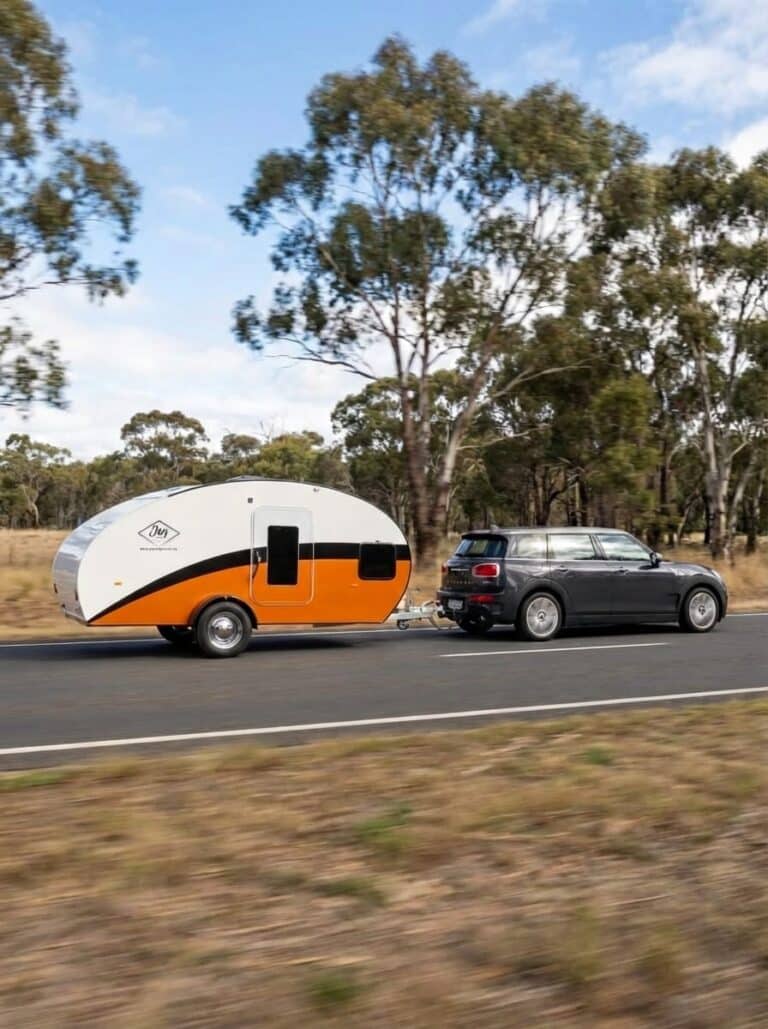
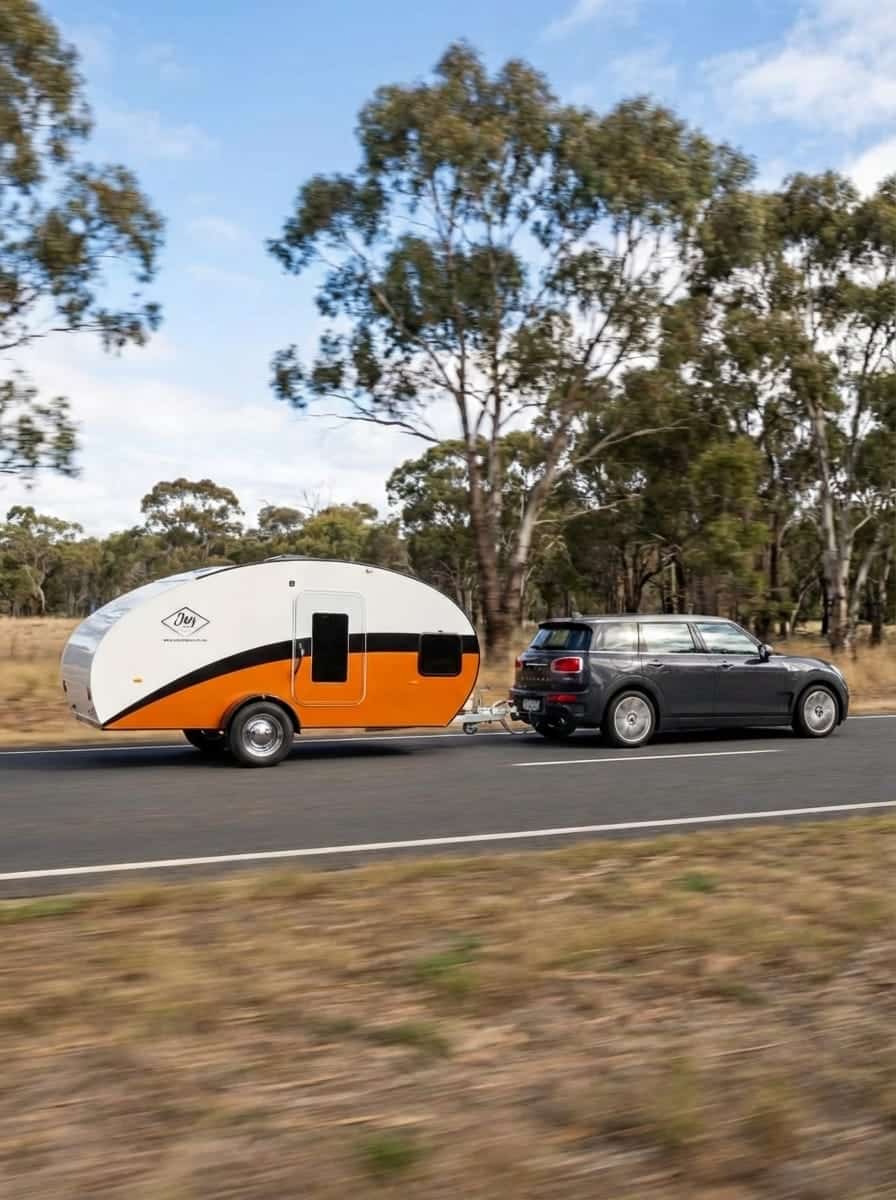
This is why JAG Teardrop Camper is designed around both weight and shape. The 850 kg tare weight is important, but the teardrop profile is just as important for real-world towing.
Why camper aerodynamics matter on the road
At low speed, weight is the thing you feel most. Pulling away from traffic lights, climbing a hill or braking into a corner all remind you that you have something behind the car.
At highway speed, air resistance becomes a bigger part of the job. The tow vehicle is not just pulling the camper’s weight. It is also punching a camper-sized hole through the air.
That is where a compact teardrop shape has a real advantage. A lower, smoother camper can sit more naturally behind the tow vehicle instead of acting like a wall. That can help with stability, towing comfort and energy use.
Why this matters even more for EVs and hybrids
EVs and hybrids are built around efficiency. Their bodies, undertrays and drivetrains are designed to get as much distance as possible from each charge or tank.
Hook a boxy caravan behind one and you undo a lot of that engineering. The vehicle still has the instant torque to tow, but the range can suffer because the trailer is adding a large aerodynamic load.
This is why a camper for modern vehicles should not just be light. It should also be aerodynamic. JAG’s teardrop shape is designed for the kinds of cars people are actually buying now, including EVs, hybrids, small SUVs and efficient family cars.
The 850 kg advantage
The JAG Teardrop Camper has an 850 kg tare weight, which puts it in reach of many smaller tow vehicles. That opens up camping to buyers who do not want to purchase a large 4WD just to have a weekend away.
A lighter camper also makes day-to-day ownership easier. It is easier to manoeuvre, easier to store and less intimidating for people who are new to towing.
Built for practical touring, not just brochure numbers
Good towing is not about winning a spec-sheet argument. It is about how relaxed the trip feels. Can you tow without constantly watching the range? Can you reverse it into a site without stress? Can you store it at home without paying for off-site storage?
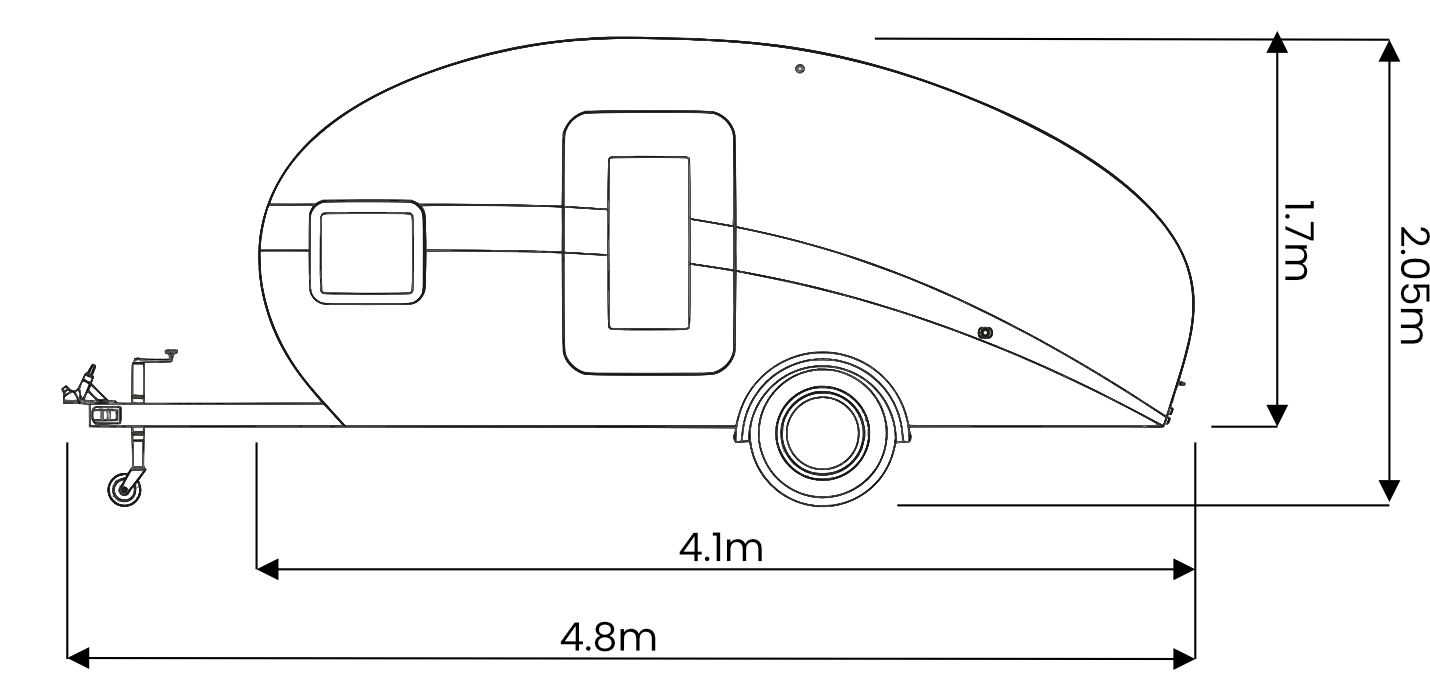
Those everyday details are why JAG focuses on lightweight construction, aerodynamic shape and compact dimensions together.
If you are comparing campers, do not stop at the tare weight. Look at the shape, the height, the frontal area and the vehicle you plan to tow with. That is where the real story starts.

