
How are JAG Campers made?
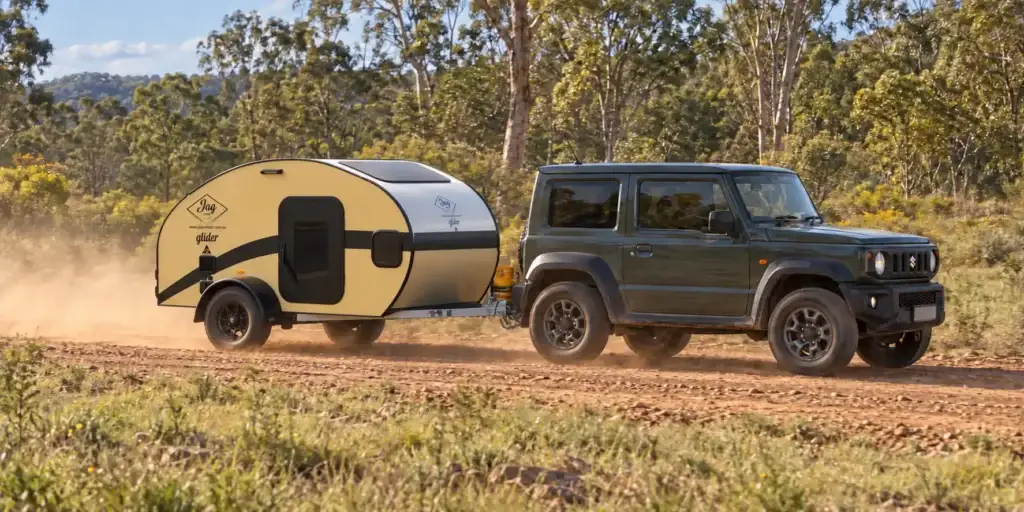
JAG Campers are designed and assembled in Brisbane by the JAG team. The process starts with 3D CAD design and continues through precision-manufactured components, composite panel construction, cabinetry, electrical installation and hands-on final assembly.
The JAG headquarters in Morningside is both a showroom and a factory. Customers can visit, see the campers in person and learn more about how they are made.
This article explains the camper production process in plain language, including what happens before the parts arrive, how the main body is built and why JAG uses the materials and manufacturing methods it does.
1. The camper is designed in 3D before production begins
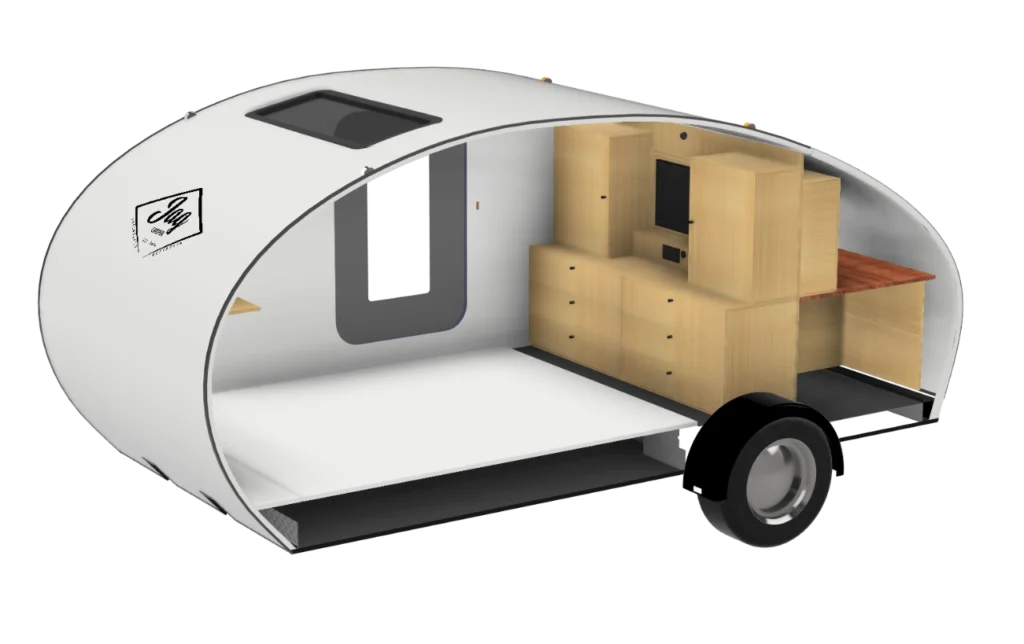
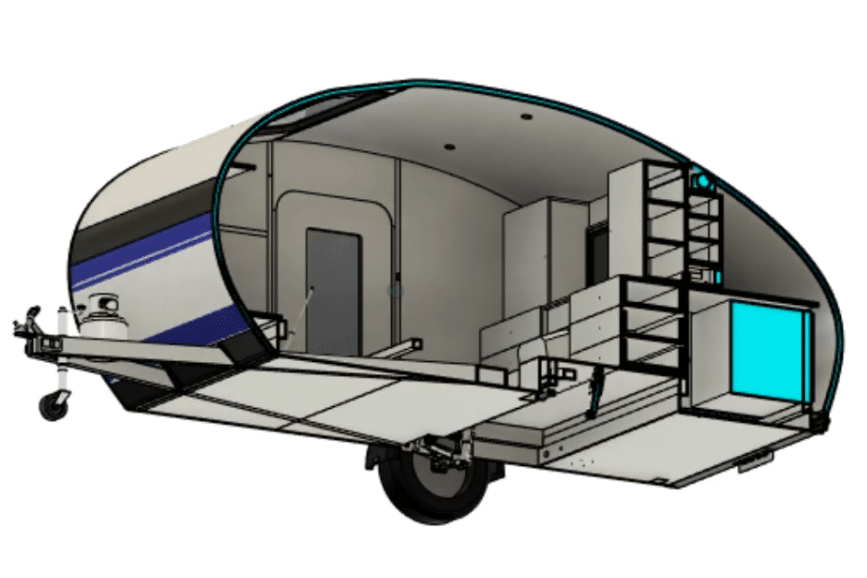
The process starts digitally. JAG uses 3D CAD tools to develop the camper design before ordering the components required for a build.
Working in a virtual model makes it possible to refine the shape, layout, clearances and fit before physical production begins. It also allows the team to consider practical details such as:
- How the cabin, kitchen and storage work together
- Where electrical and plumbing components will fit
- How panels, cabinetry and openings meet
- How much space is available for customers inside the camper
- How the camper will tow, open, close and be serviced
That design work matters because a camper is a tightly packed product. A small change to one component can affect the kitchen, bed, storage, wiring or body panels around it.
2. Digital drawings are turned into accurate components
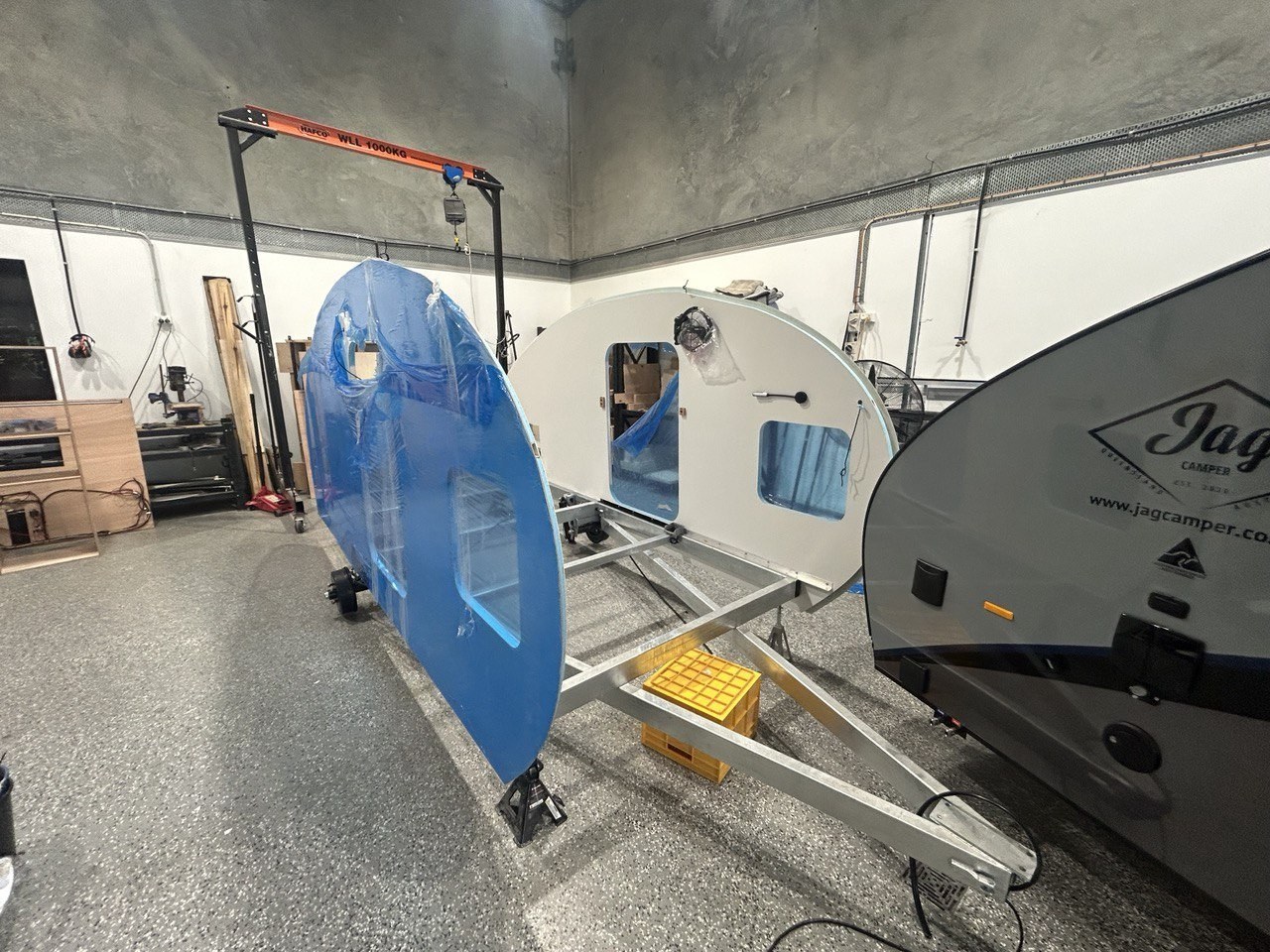
Once the design is refined, digital drawings are sent to local Brisbane-area manufacturers that specialise in CNC machining and other precision processes.
CNC machining allows components to be cut to the digital design rather than measured and cut from scratch for every build. JAG also uses laser cutting and 3D printing in its development and manufacturing work.
The benefit is not that machines replace craftsmanship. The machines produce consistent components, while the JAG team can focus on assembly, finishing and solving the practical details that make a camper work properly.
3. The body uses insulated composite panels
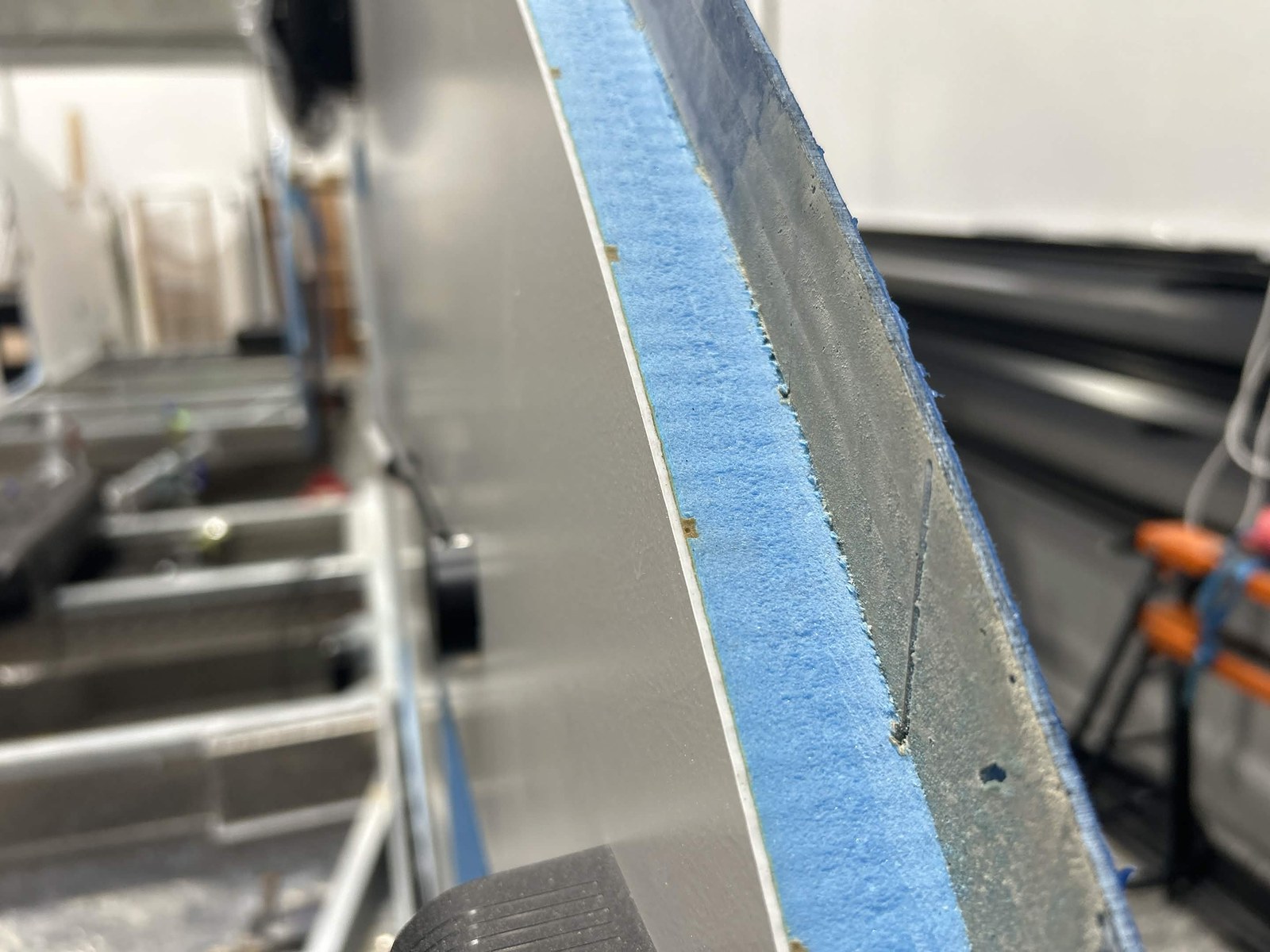
The JAG Teardrop and JAG Glider use 30mm FRP/XPS/FRP composite panels. These panels have a closed-cell XPS foam core between fibreglass reinforced plastic skins.
The panel provides several functions at once:
- Structural strength
- Thermal insulation
- Sound insulation
- Low weight
- Resistance to rot and corrosion
- A durable surface for the camper body
Using a composite panel system means JAG does not need to build the body around traditional timber wall framing or heavy metal wall frames. The panel itself forms an efficient part of the structure.
That helps keep the camper light while still leaving room for features customers use every day, such as a comfortable bed, kitchen, storage, electrical systems and water capacity.
Read more about the material choice in Why JAG Camper Uses XPS Composite Panels Instead of Plywood or Metal Frames.
4. The chassis provides the foundation
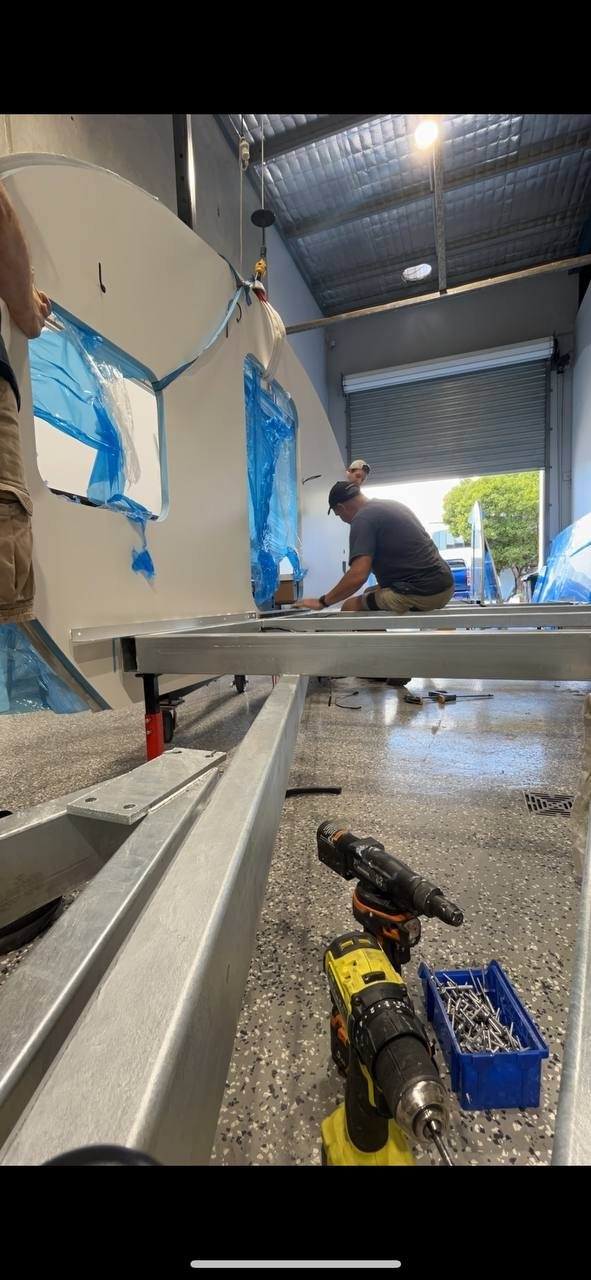
The camper body is only one part of the build. The chassis, suspension, braking system and coupling all have to work together underneath it.
JAG uses hot-dip galvanised steel chassis construction. Galvanising protects the steel from corrosion and suits the conditions campers encounter across Australia, including wet roads, coastal air and dirt tracks.
The exact suspension and braking specification depends on the model. The JAG Teardrop is a semi-off-road camper, while the JAG Glider is designed as a lighter full off-road model. Buyers should always match the camper to the towing capacity, tow-ball capacity and conditions they intend to travel in.
5. Cabinetry is built for everyday use
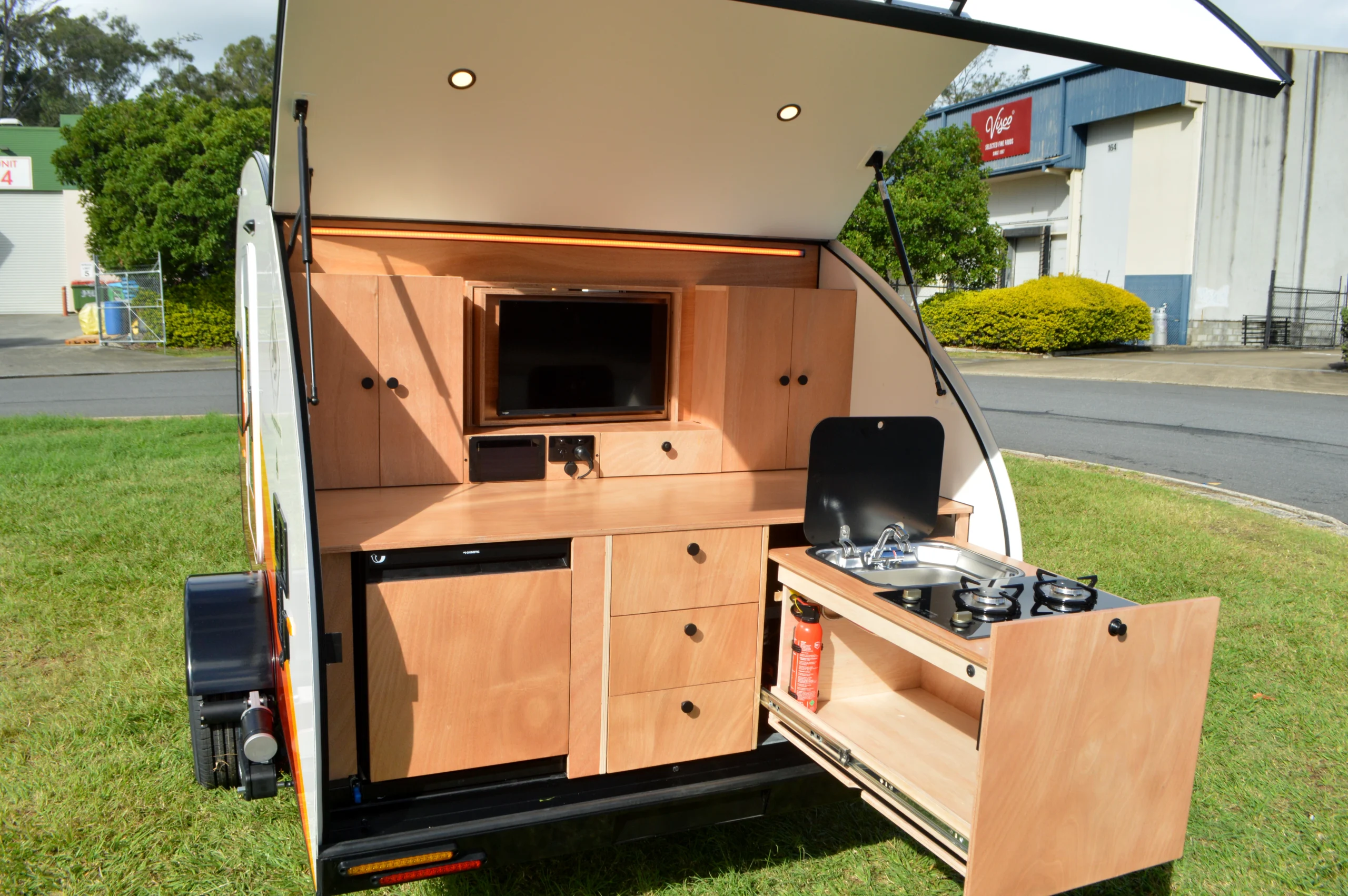
The cabin and kitchen need to feel comfortable, but they also need to handle movement on the road. JAG uses marine-grade plywood cabinetry, sealed with a protective coating and assembled using glue-and-screw construction.
Cabinetry is where the camper begins to feel like a living space rather than a collection of components. The team has to balance:
- Storage access
- Strength
- Weight
- Kitchen workflow
- Bed and cabin space
- Electrical and plumbing access
- Serviceability
The original JAG build went through repeated revisions before the team was satisfied with the cabinetry and finish. That trial-and-error process still influences the way JAG approaches product improvements today.
6. Components are assembled and finished in Brisbane
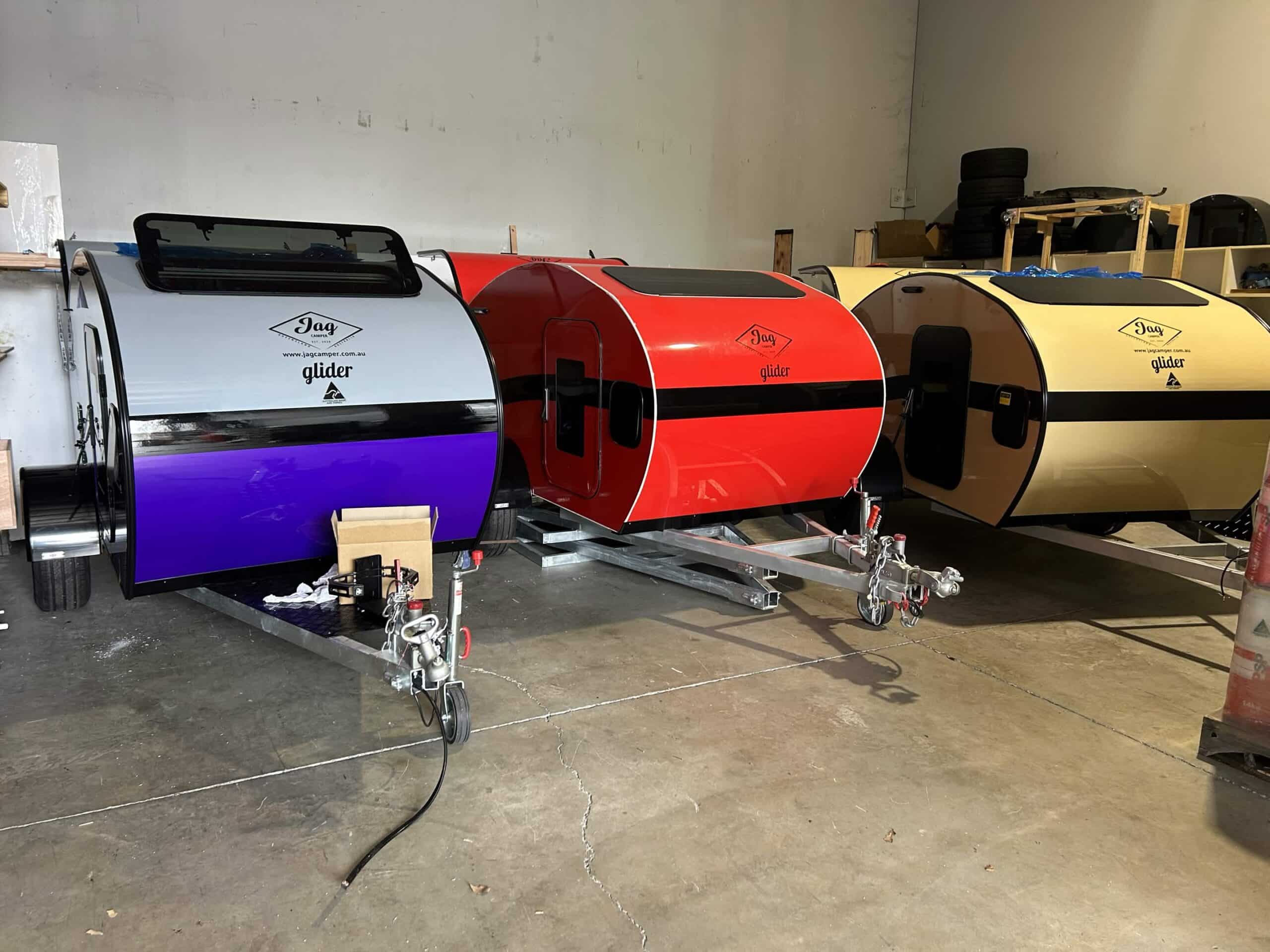
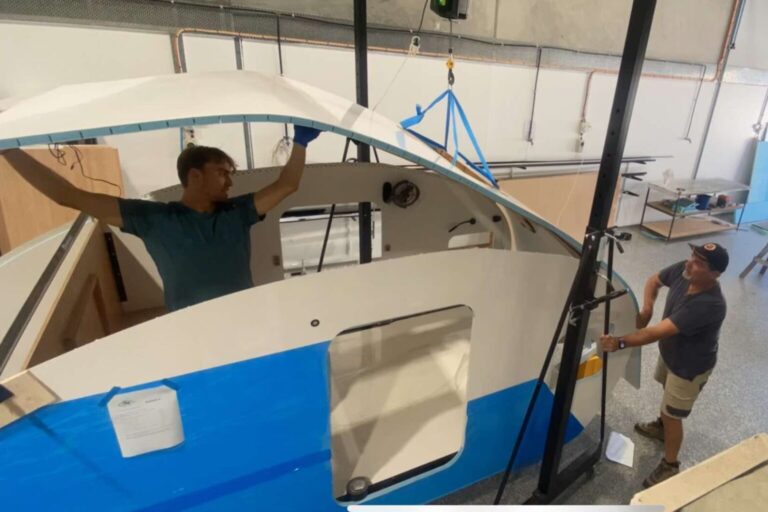
As the components arrive, the JAG team brings them together in the workshop. This includes the body panels, chassis, cabinetry, kitchen, electrical systems, water systems, doors, windows, hardware and interior finishes.
Assembly is where design decisions meet reality. Components need to fit, open, close, seal and remain accessible for future maintenance. The finish also matters because customers live with the details every time they use the camper.
The workshop process includes practical checks of fitment, joins, doors, hatches, cabinetry, wiring, plumbing and the finished interior.
7. The design keeps improving after the first build
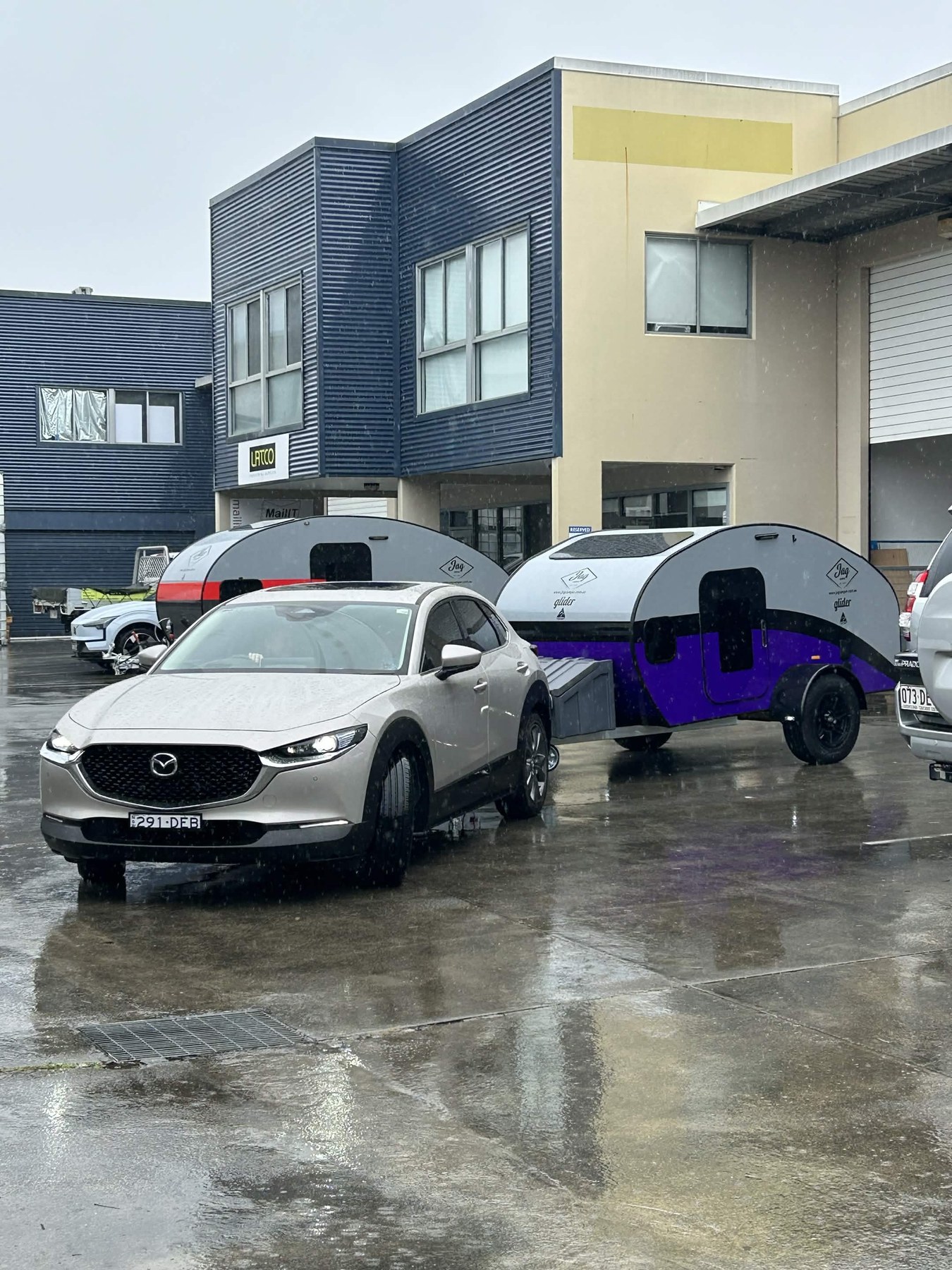
JAG uses a continuous-improvement approach. Customer feedback, factory observations and time spent camping all feed into new design decisions and manufacturing improvements.
That is one reason the current JAG Teardrop is different from the first camper Frank and Jack built during the 2019 lockdown. The product has been redesigned, tested, refined and developed through real use.
The JAG Glider follows the same broader design philosophy, but with a lighter and more compact purpose. It was developed for travellers who want a simpler camper that works with smaller cars, EVs and lighter tow vehicles.
What does Australian made mean in practice?
JAG Camper is certified under the Australian Made Campaign. That certification is not just a phrase we have added to our website. The Australian Made Campaign assesses the production process, suppliers and material sources used to support the Australian made claim.
That distinction matters. Modern campers use components from different suppliers and countries, so a responsible manufacturer should be clear about what it designs, manufactures, assembles and supports in Australia. JAG does not claim that every individual component is Australian-made. We explain where the camper is designed, how it is produced and where final assembly and customer support take place.
For buyers, useful questions include:
- Where is the camper designed?
- Where is the body manufactured?
- Where are the chassis and cabinetry made?
- Where does final assembly happen?
- Can I visit the factory or showroom?
- Who supports the camper after purchase?
JAG welcomes customers to visit the Brisbane showroom and factory to see the campers and understand more about how they are made.
Why Australian manufacturing can cost more upfront
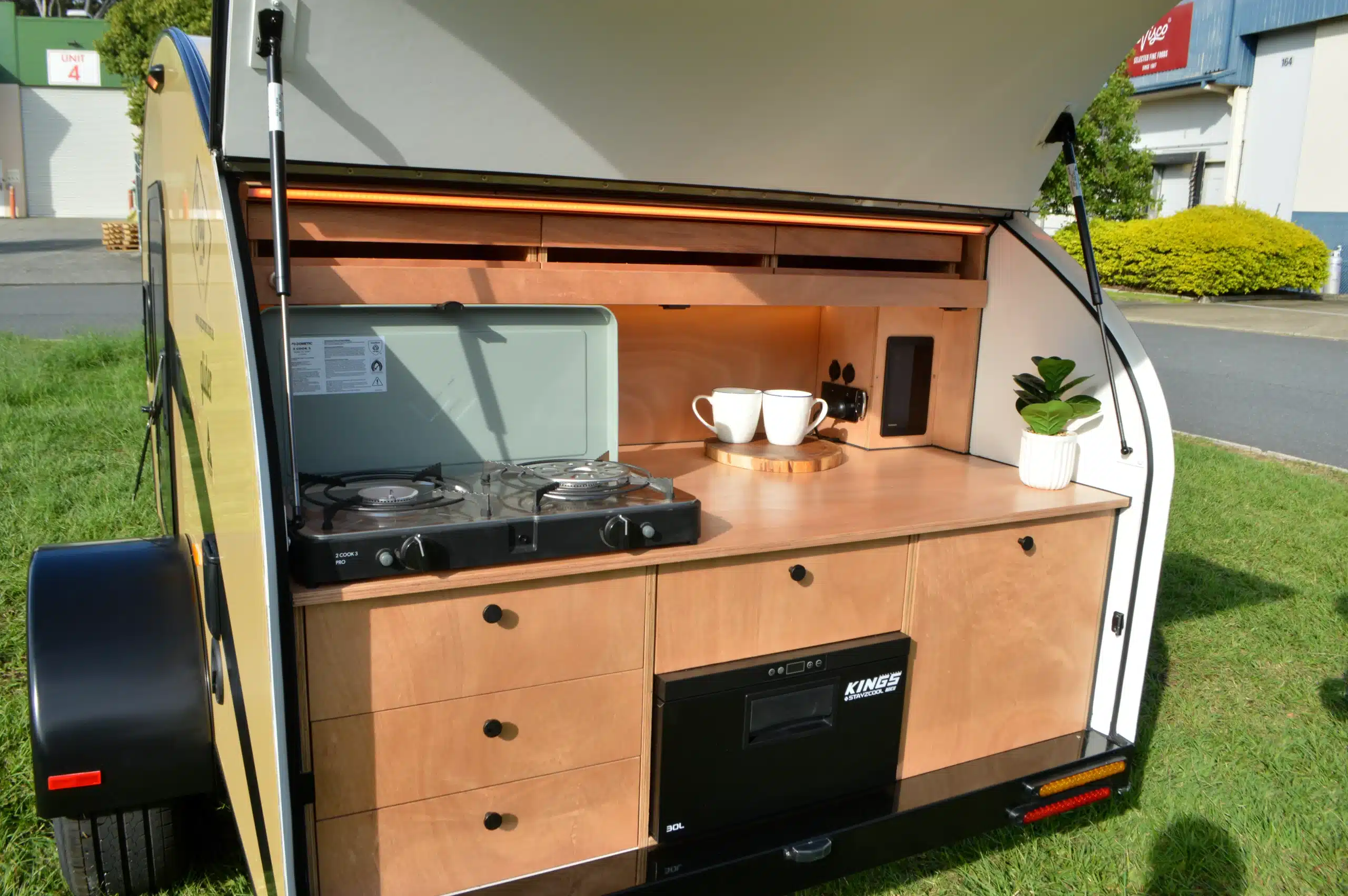
An Australian-made camper can cost more upfront than an imported camper. The price includes local design work, skilled labour, quality control, factory overheads, customer support and the ability to speak directly with the people responsible for the product.
That higher purchase price is intended to buy more than a badge. It buys a product designed for long-term use, a clear manufacturing story and support from the people who built it.
A well-built camper is designed to last a lifetime when it is cared for properly. Fewer structural and water-related repairs can reduce the total cost of ownership over the years, even if the initial purchase price is higher. A camper with documented construction, local support and a strong maintenance history is also more likely to hold its value when the owner eventually sells it. Resale value is never guaranteed, but build quality, condition, support and transparent origin all matter.
See a JAG Camper in person
The easiest way to understand how a camper is made is to look closely at one. Visit the JAG Teardrop Camper or JAG Glider product page, start a build in the JAG configurator, or contact the JAG team to arrange a factory or virtual tour.
A camper should make sense before you buy it. That includes the layout, the towing requirements, the materials, the manufacturing process and the support available after delivery.
Frequently asked questions
Where are JAG Campers made?
JAG Campers are designed and assembled in Brisbane, Queensland. The JAG headquarters in Morningside includes a showroom and factory.
What materials are used in a JAG Camper?
The JAG Teardrop and JAG Glider use 30mm FRP/XPS/FRP insulated composite panels, a hot-dip galvanised steel chassis, 3mm checker plate aluminium underbody and marine-grade plywood cabinetry.
Does JAG use CNC manufacturing?
Yes. JAG uses digital 3D CAD design and works with local Brisbane-area manufacturers that specialise in CNC machining. JAG also uses laser cutting and 3D printing in its development and manufacturing work.
Can I visit the JAG factory?
Customers can contact JAG about visiting the Brisbane showroom and factory or arranging a virtual tour.
Is the JAG Glider made using the same process as the Teardrop?
The Glider and Teardrop share JAG’s design, precision manufacturing and assembly approach, but they are different campers with different sizes, weights and intended uses.
—

