
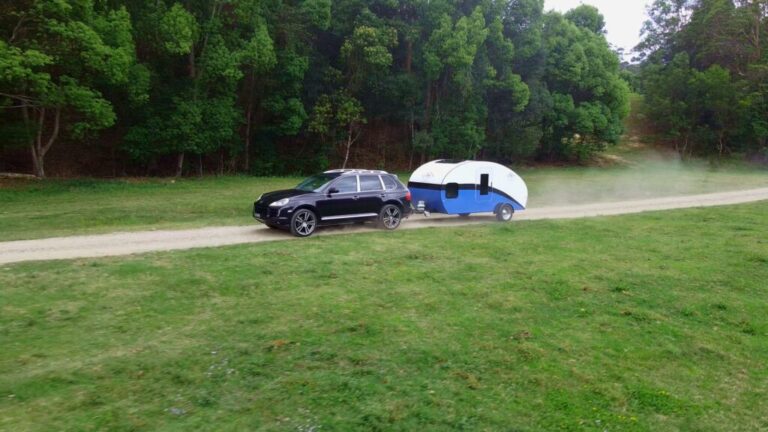
Do teardrop campers sway? It’s one of the most common questions asked by people considering a lightweight camper, especially first-time owners or those towing with smaller vehicles. The concern is understandable, but the reality is this: teardrop campers do not inherently sway. Trailer sway is almost always the result of poor design, incorrect loading, or inadequate suspension and braking systems.
When engineered correctly, a teardrop camper can be one of the most stable and confidence-inspiring trailers you can tow.
At JAG Camper, sway mitigation has been a core design focus from day one.
What Causes Teardrop Camper Sway?
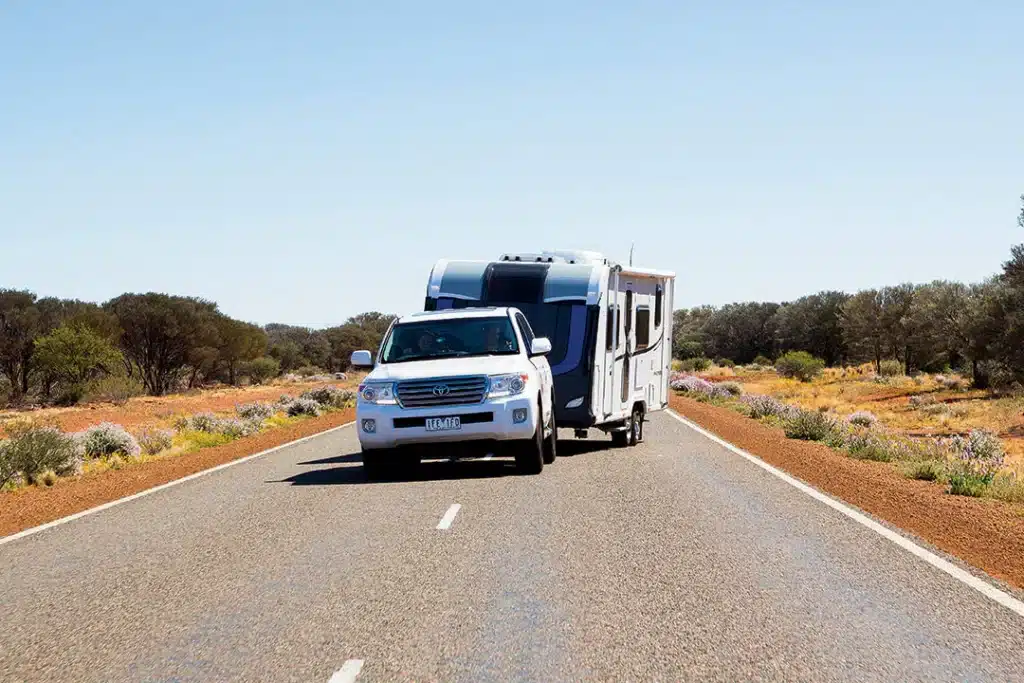
Trailer sway occurs when a trailer begins to oscillate from side to side behind the tow vehicle. This can be triggered by crosswinds, passing trucks, sudden steering inputs, or road irregularities. However, these triggers only become a problem when the trailer lacks proper stability fundamentals.
The main contributors to sway are incorrect weight distribution, poor aerodynamics, inadequate suspension, and limited braking control.
Weight Distribution and Tow Ball Weight
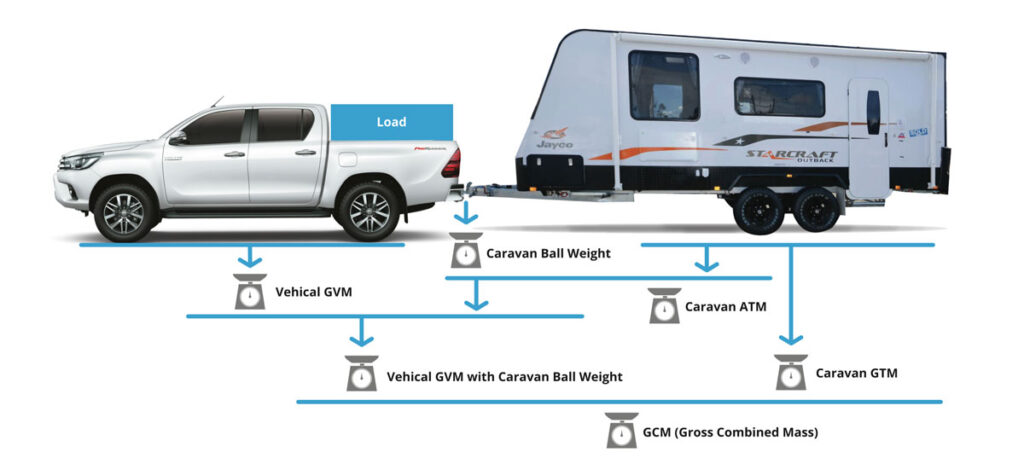
Weight distribution is the single biggest factor in trailer stability. Sway most commonly occurs when the tow ball weight is too light relative to the overall trailer mass. Without sufficient downward force on the tow ball, the trailer becomes more susceptible to oscillation, particularly at highway speeds.
The JAG Teardrop Camper has been carefully engineered so the tow ball weight sits at approximately 10 percent of the total tare weight. With a tare weight of 860 kg and a tow ball weight of 85 kg, the camper sits squarely within the ideal stability range for safe towing.
Just as importantly, the internal storage layout has been designed to maintain this balance in real-world use. Primary storage areas are positioned directly over the wheels, reducing the leverage effect of stored gear. Items placed under the bed help counteract the natural reduction in tow ball weight that can occur when loading the rear kitchen area. This ensures the camper remains stable when fully packed, not just when empty.
How Aerodynamics Affect Trailer Stability

Aerodynamics play a far bigger role in trailer sway than most people realise. Large flat surfaces and blunt profiles can catch crosswinds and turbulence from passing vehicles, introducing lateral forces that can initiate sway.
The JAG Teardrop Camper features a highly aerodynamic profile designed to cut cleanly through the air. By reducing wind resistance and minimising side loading, the camper remains more settled behind the tow vehicle, even in high wind conditions. This improves stability, predictability, and overall towing comfort on long journeys.
Suspension Design and Road-Induced Sway

Road irregularities are another common trigger for trailer sway. Sudden bumps, corrugations, or uneven surfaces can introduce unwanted movement if the suspension system is unable to absorb them effectively.
The advanced Cruisemaster CRS2 independent suspension system used on the JAG Teardrop Camper allows each wheel to respond individually to road conditions. This absorbs bumps at the wheel level before they can translate into lateral movement through the trailer, keeping the camper composed and stable across a wide range of sealed and unsealed roads.
Do Anti-Sway Brake Systems Work?
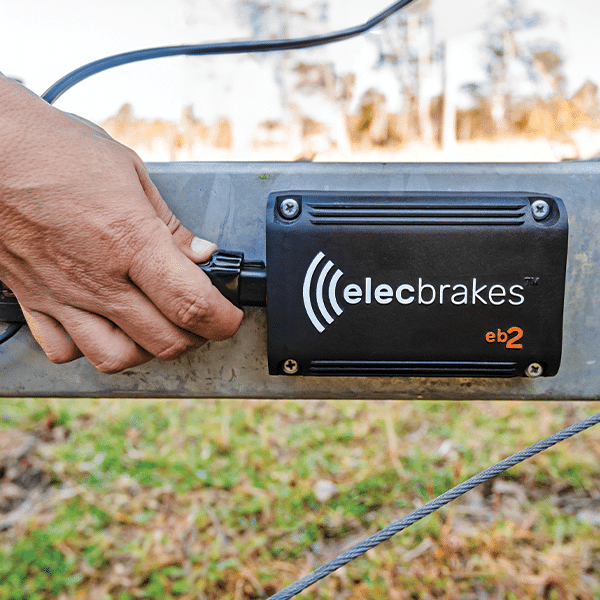
In addition to passive stability through design, the JAG Camper is fitted with an Elecbrakes system that includes an integrated anti-sway feature. If a sway event is detected, the system automatically applies braking to each wheel as required, actively counteracting the movement and bringing the trailer back under control without driver input.
While good design should prevent sway from occurring in the first place, this system provides an important additional layer of safety and confidence in unexpected situations.
So, Do Teardrop Campers Sway in Real-World Driving?

A properly engineered teardrop camper should not sway. When weight distribution, aerodynamics, suspension, and braking are all considered as part of the design, the result is a trailer that tows smoothly and predictably at highway speeds and in varying conditions.
The JAG Teardrop Camper has been designed from the ground up to deliver exactly that. Lightweight, aerodynamic, and carefully balanced, it offers confidence-inspiring towing without compromise, allowing you to focus on the journey rather than what’s happening behind you.
Frequently Asked Questions
Do teardrop campers sway at highway speeds?
A well-designed teardrop camper with correct weight distribution and suspension should remain stable at highway speeds. Sway is typically caused by poor loading or insufficient tow ball weight rather than the teardrop design itself.
Are lightweight campers more prone to sway?
Lightweight campers are not inherently less stable. When weight is correctly distributed and the camper is aerodynamic, a lightweight design can actually improve towing stability and safety.
What is the ideal tow ball weight for a teardrop camper?
Most teardrop campers are most stable when the tow ball weight is around 8 to 12 percent of the total trailer weight, depending on the overall design.

