Why Queensland Campers Are Built for Australian Conditions
There’s a reason why Queenslanders know better than anyone what makes a great camper. We live in a state where summer temperatures regularly climb above 40 degrees, where the UV index tops out at extreme levels, and where a beach camping trip means salt spray, fine beach sand, and humidity that can turn ordinary equipment into rust buckets within months. The conditions here aren’t just challenging—they’re uniquely Australian.
If you’re searching for an Australian made camper, you’re probably tired of imported options that look good on paper but fall apart after one season of real-world use. That’s exactly why Queensland manufacturers have developed a different approach entirely—one that starts with understanding what our environment actually demands.
The Harsh Reality of Australian Conditions
Australia presents camper buyers with a combination of challenges that simply doesn’t exist in other markets. Consider what your camper goes through over a typical year.
Extreme heat and relentless UV exposure test every material choice. While imported campers might be designed for temperate European summers, Queensland summer conditions are a different beast entirely. Interior temperatures in poorly insulated campers can become unbearable, making family holidays miserable rather than enjoyable. The UV radiation that bleaches out awnings and degrades plastics within a couple of years is something manufacturers in cooler climates simply never had to consider.
Dust and corrosion create a constant battle, especially for anyone who ventures beyond sealed roads. Fine red dust finds its way into every gap and seal, and without proper protection, it works its way into hinges, locks, and interior spaces. Coastal campers face additional challenges from salt spray, which accelerates corrosion in any material that isn’t specifically designed to resist it. What looks like a minor surface issue after a beach trip can develop into something much more serious over subsequent seasons.
Remote terrain demands genuine durability. Australia’s famous outback roads, gravel tracks, and uneven campsites punish equipment that hasn’t been built with genuine toughness. Suspension systems, chassis components, and body construction all need to handle repeated punishment that would quickly destroy something designed for smooth European highways.
Build Quality That Starts With the Fundamentals
Queensland-built campers address these challenges through fundamental design choices, not superficial additions. Every component is selected with Australian conditions in mind.
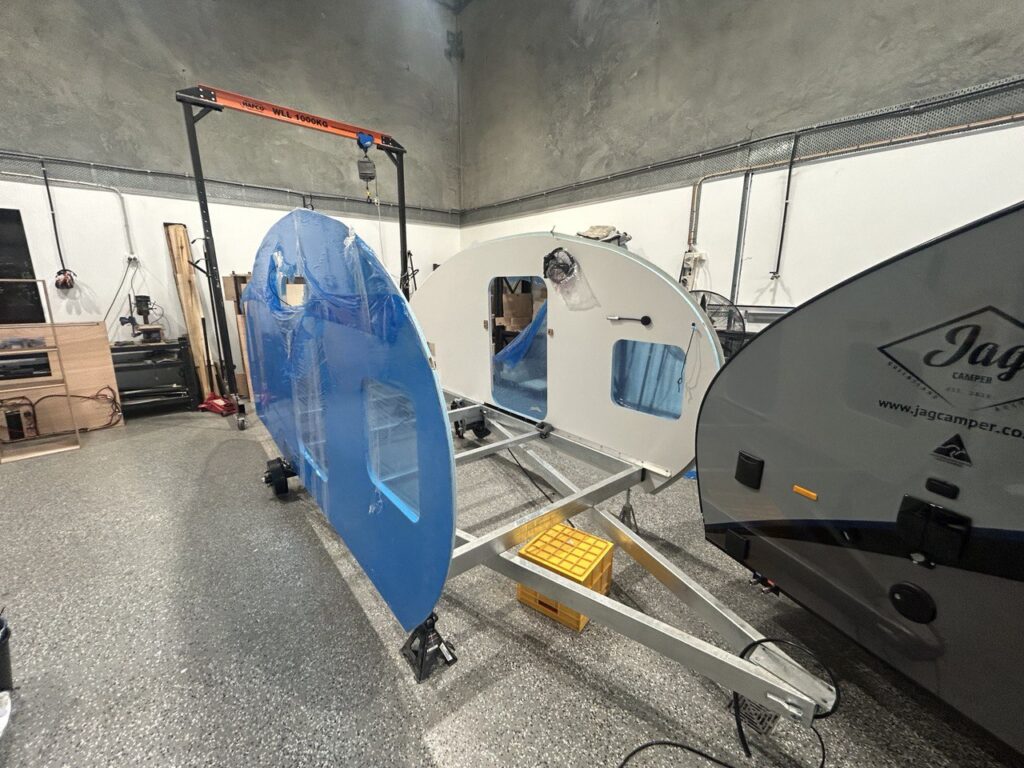
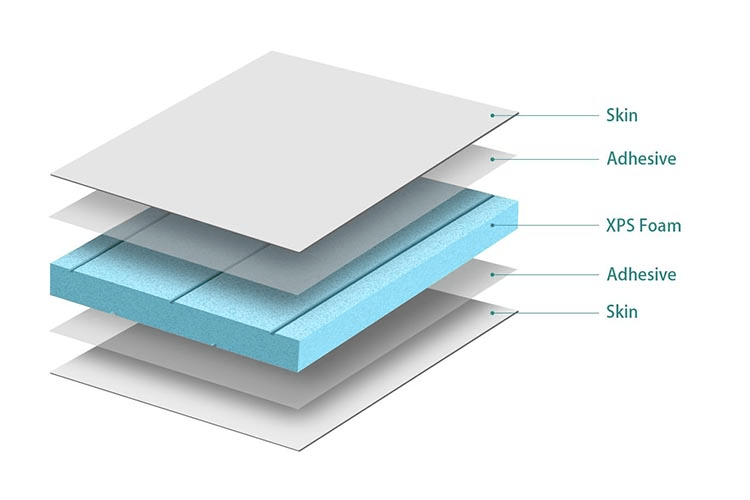
Insulated composite sandwich panel construction forms the foundation of genuine quality. This isn’t just marketing terminology—it’s a fundamentally different approach to body construction. The combination of insulating materials sandwiched between durable exterior skins creates a structure that stays cooler in summer, reduces condensation in humid conditions, and maintains its structural integrity over decades of use. Unlike traditional timber-framed constructions that can warp, delaminate, or develop leaks at joins, sandwich panel construction provides consistent performance across the entire structure.
Hot dip galvanised chassis delivers the corrosion protection that Queensland’s coastal and humid environments demand. The galvanisation process coats every surface of the steel framework with a protective layer of zinc, creating a barrier that resists rust even when scratches occur. This isn’t a cosmetic treatment or a paint finish that chips away—it’s a metallurgical bond that protects the underlying steel throughout the chassis’s life. For anyone who’ve watched imported camper frames rust out at the wheel wells and coupling points after a few years, the value of proper galvanisation becomes immediately apparent.
Cruise Master independent CRS suspension represents the kind of genuine off-road capability that Australian conditions require. This isn’t modified car suspension or light-duty trailer suspension—it’s purpose-built camper suspension designed for the loads and stresses that caravanning and camper trailer use creates. The independent design allows each wheel to respond to conditions independently, maintaining stability and control on uneven surfaces while delivering a ride quality that keeps occupants comfortable over long distances.
The Confidence of Genuine Warranty Coverage
One of the most significant differences between Australian made camper manufacturers and imported alternatives shows up in warranty support. A 5-year structural warranty backed by Australian-based repair networks means genuine peace of mind.
When something does require attention, you’re not waiting for parts to be shipped from overseas or dealing with local representatives who lack genuine technical support from the manufacturer. Australian workshops understand these campers from the ground up—they built them, they know every component, and they can provide solutions rather than just following overseas instructions.
This local support network also means faster turnaround times and more flexible service arrangements. Whether you’re based in Brisbane, Cairns, or anywhere between, accessing warranty support shouldn’t mean extensive travel or prolonged waiting periods. The commitment to Australian-based service reflects the manufacturer’s confidence in their own build quality.
The Imported Camper Gap
Understanding what separates Queensland-built campers from imported alternatives helps explain the significant differences in real-world performance.
Chinese-manufactured campers and camper trailers often share common weaknesses that become apparent only after purchase. Weight differences are immediately noticeable— imported units tend to be significantly heavier, which affects towing dynamics, fuel consumption, and limits where you can realistically take your camper.
Dust sealing represents a fundamental design gap. Without understanding Australian conditions, imported manufacturers use sealing methods that look adequate but fail to prevent fine dust infiltration. Interior spaces accumulate fine grit, electrical connections corrode, and the overall camping experience degrades over time.
Water ingress issues plague many imported units, especially in humid coastal environments. Condensation that should be managed through proper insulation instead finds its way into cabinetry, flooring, and electrical compartments. What starts as a small issue can develop into significant problems requiring extensive remediation.
Temperature insulation receives minimal attention in designs intended for milder climates. Queensland summer conditions make this omission immediately relevant—without proper insulation, interior spaces become dangerously hot during summer travel, limiting when you can comfortably use the camper.
A Real Queensland Customer Story
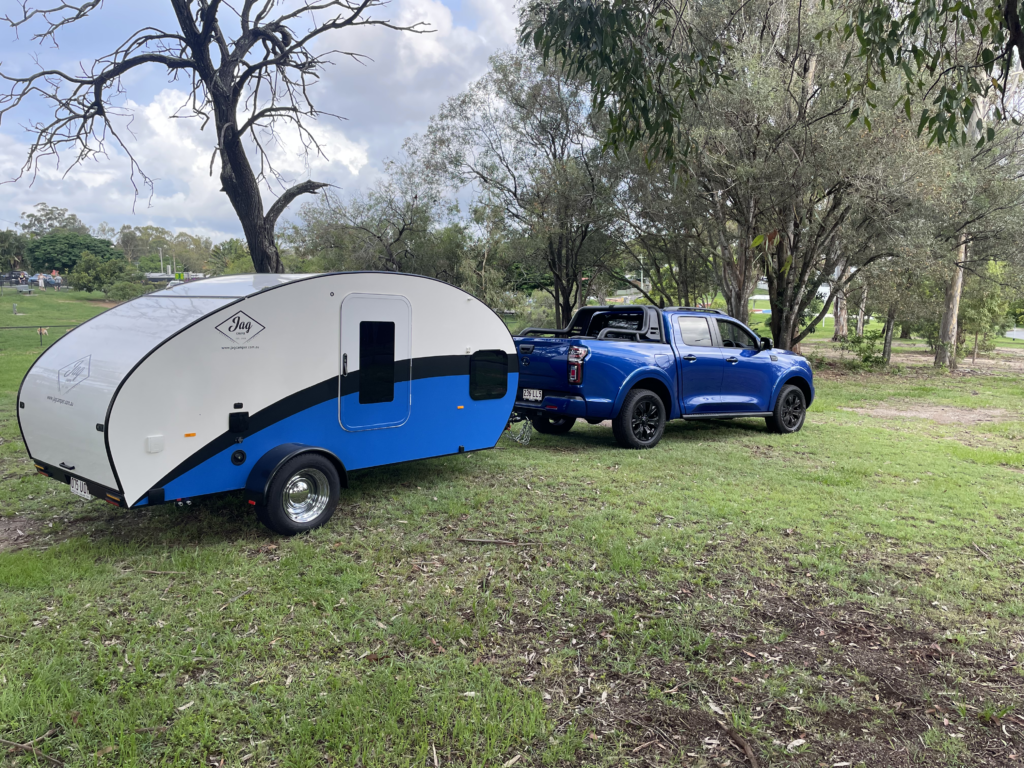
David and Sarah Mitchell from the Sunshine Coast had spent years dreaming about extended family camping trips with their three children. After researching thoroughly, they chose a Queensland-built camper specifically because they wanted something that could handle everything from summer heat waves at Fraser Island to winter trips south.
Their first major trip was a three-week Cape York adventure in peak summer. Interior temperatures stayed comfortable despite outside readings approaching 40 degrees—a direct result of the insulation design that made them confident in the first place. Fine red dust that infiltrated campsites didn’t make it inside the camper, thanks to proper sealing throughout.
A subsequent winter trip to 1770 involved beach camping in salty conditions that had damaged previous equipment they’d owned. After two weeks of coastal exposure, everything from door hinges to jacking points showed no signs of corrosion issues they’d experienced with imported alternatives.
Now, three years later and dozens of trips later, the Mitchell family reports the same structural integrity and weather sealing as when they first purchased their camper. That’s the real-world result of genuine Queensland design—equipment that doesn’t just look good initially but maintains its quality across years of Australian use.
Ready to Explore What Queensland Quality Can Offer
Understanding why Queensland-built campers differ from imported alternatives helps you make an informed choice for your camping needs. The combination of extreme conditions expertise, genuine material quality, and Australian-based support creates a fundamentally different product experience.
If you’re ready to see what goes into a camper designed for Australian conditions from the ground up, we’d welcome the opportunity to show you around our workshop and discuss how Queensland manufacturing can support your camping ambitions.