
When people compare campers, they often look at the layout, appliances, storage and overall towing weight first. But one of the biggest differences is hidden in the construction.
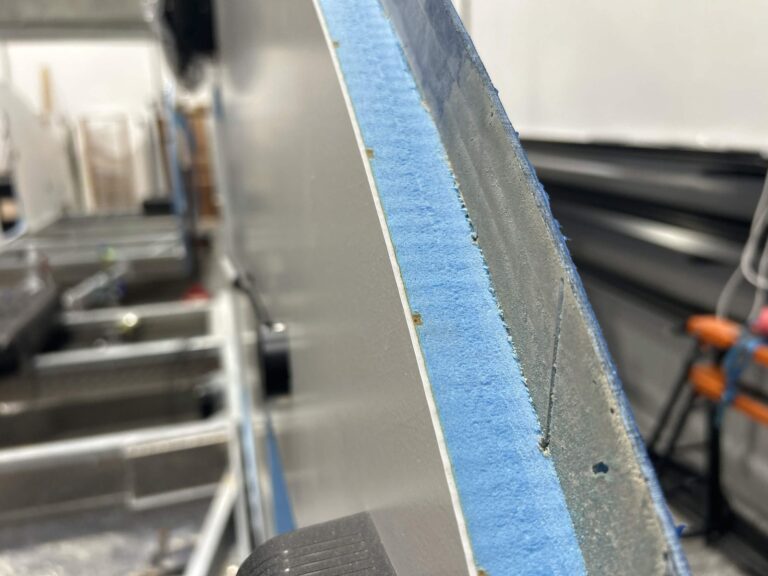
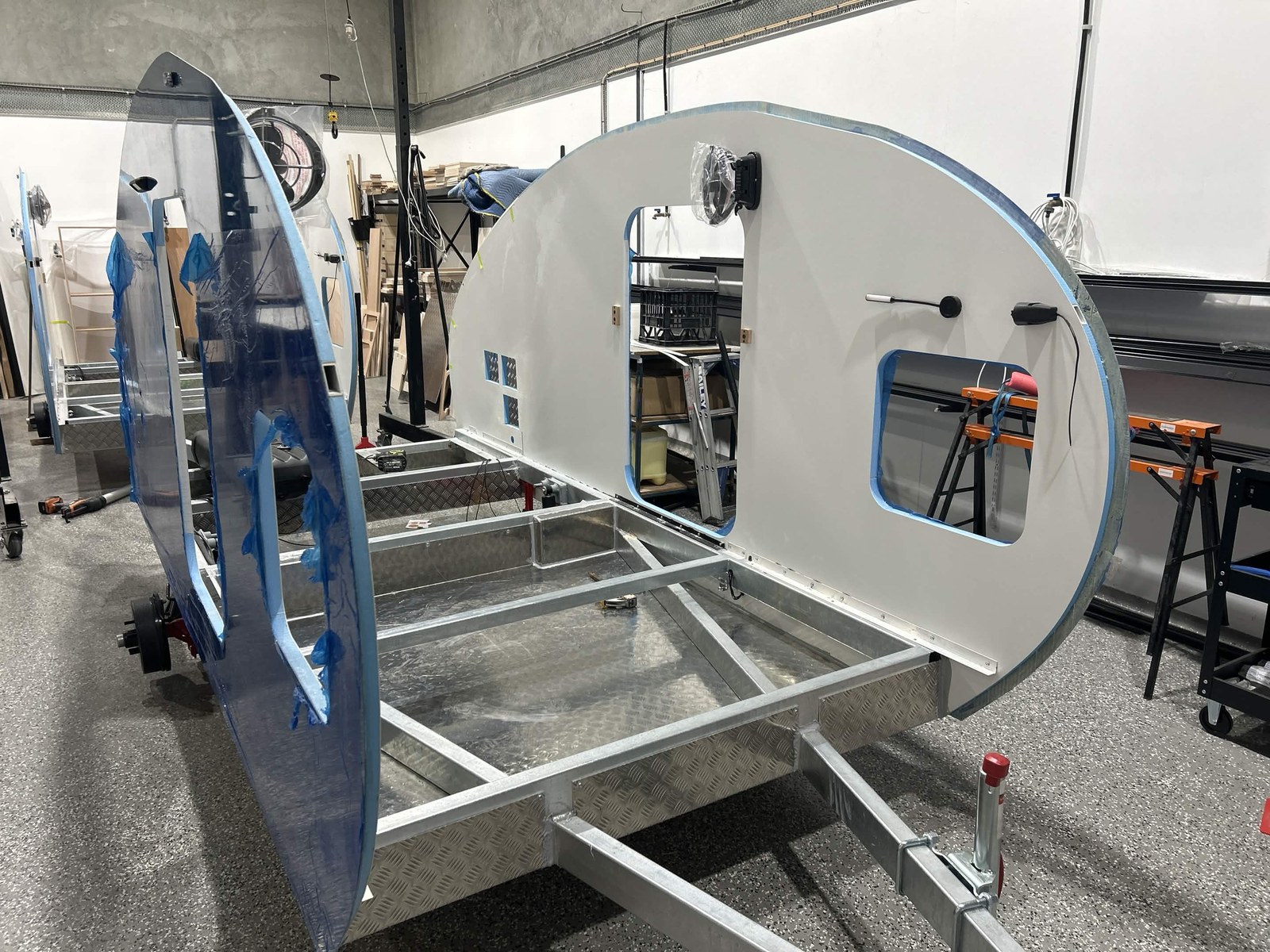
At JAG Camper, we use 30mm insulated XPS composite panels across our camper range, including both the JAG Teardrop and JAG Glider. These panels are made from an FRP/XPS/FRP sandwich construction, with a closed-cell XPS foam core between strong fibreglass reinforced plastic skins.
It is one of the most important design choices in our campers, and it is a major reason we can build lightweight, spacious, well-featured campers without relying on traditional plywood or heavy metal-frame wall construction.
What are XPS composite panels?
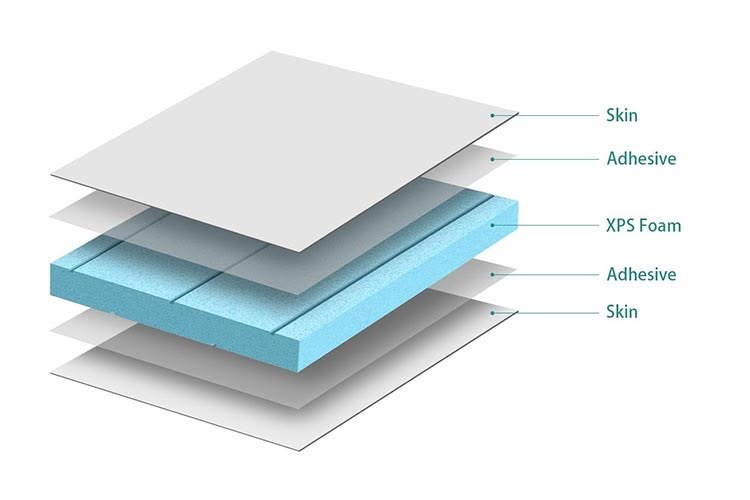
XPS stands for extruded polystyrene, a rigid closed-cell foam known for insulation, low weight and moisture resistance.
In a JAG Camper, the XPS core is sandwiched between FRP skins to create a strong, lightweight structural panel. The result is a wall and body system that is:
- Lightweight
- Strong
- Insulated
- Moisture resistant
- Resistant to rot and corrosion
- Precisely manufactured
- Built for long-term durability
Rather than building a camper body from timber framing, plywood sheets or heavy metal framing, we use modern composite panel construction to create a cleaner, lighter and more durable structure.
Better temperature insulation for real camping comfort
One of the biggest benefits of XPS composite panels is insulation.
Traditional plywood camper construction offers limited thermal insulation unless extra insulation is added between frames. Metal framing can also transfer heat and cold through the structure, which can make the inside of a camper less comfortable in hot or cold conditions.
XPS foam is naturally insulating. Because our panels use a 30mm closed-cell XPS core, they help reduce heat transfer through the camper body.
That means a JAG Camper is better suited to real Australian camping conditions, from warm coastal trips to cooler nights inland.
Quieter inside thanks to sound insulation
The same insulated composite structure that helps with temperature control also helps reduce noise.
A camper body made from thin metal skins, hollow cavities or hard timber panels can transfer more external noise into the cabin. XPS composite panels help dampen sound, making the interior feel more comfortable and calm.
That matters when you are parked near a busy campground, sleeping through windy weather, or simply wanting a quieter space at the end of the day.
Built to resist rot, corrosion and water damage
Plywood and timber framing have been used in caravan and camper construction for decades, but timber has an obvious weakness: water.
If water finds its way into a traditional timber structure, it can lead to swelling, soft spots, mould or rot over time. Metal frames avoid timber rot, but they can still introduce other issues, including corrosion risk, thermal bridging and extra weight.
JAG Camper’s insulated XPS composite panels are different.
The XPS foam core is closed-cell, which means water cannot penetrate through the foam like it can with absorbent materials. The foam is also self-extinguishing, adding another important material benefit.
Because the panel structure does not rely on plywood or a traditional internal metal wall frame, there is no timber body structure to rot and no metal wall frame to corrode inside the panel.
For customers, that means more confidence in the long-term durability of the camper.
Ultra-light construction without giving up strength
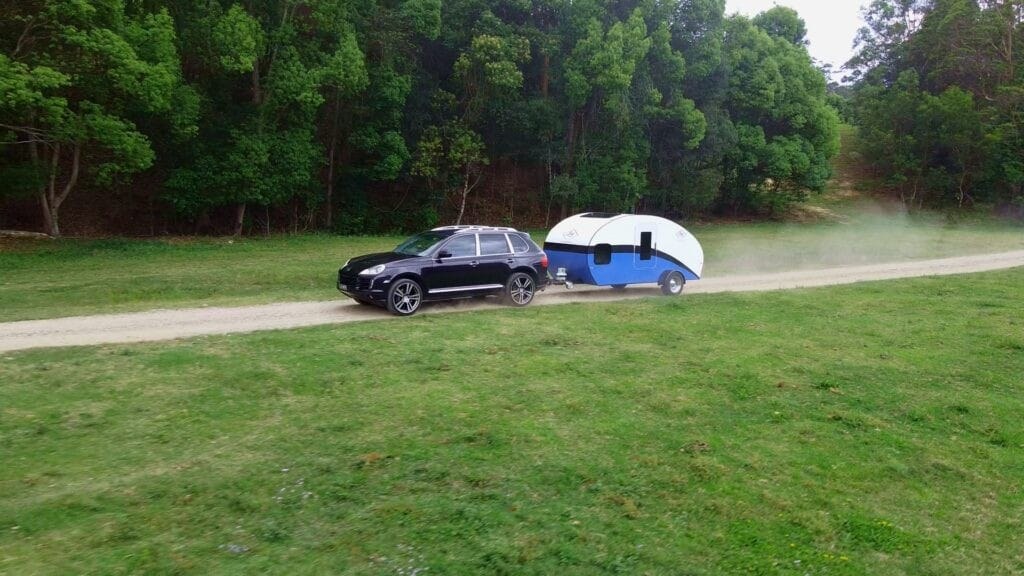
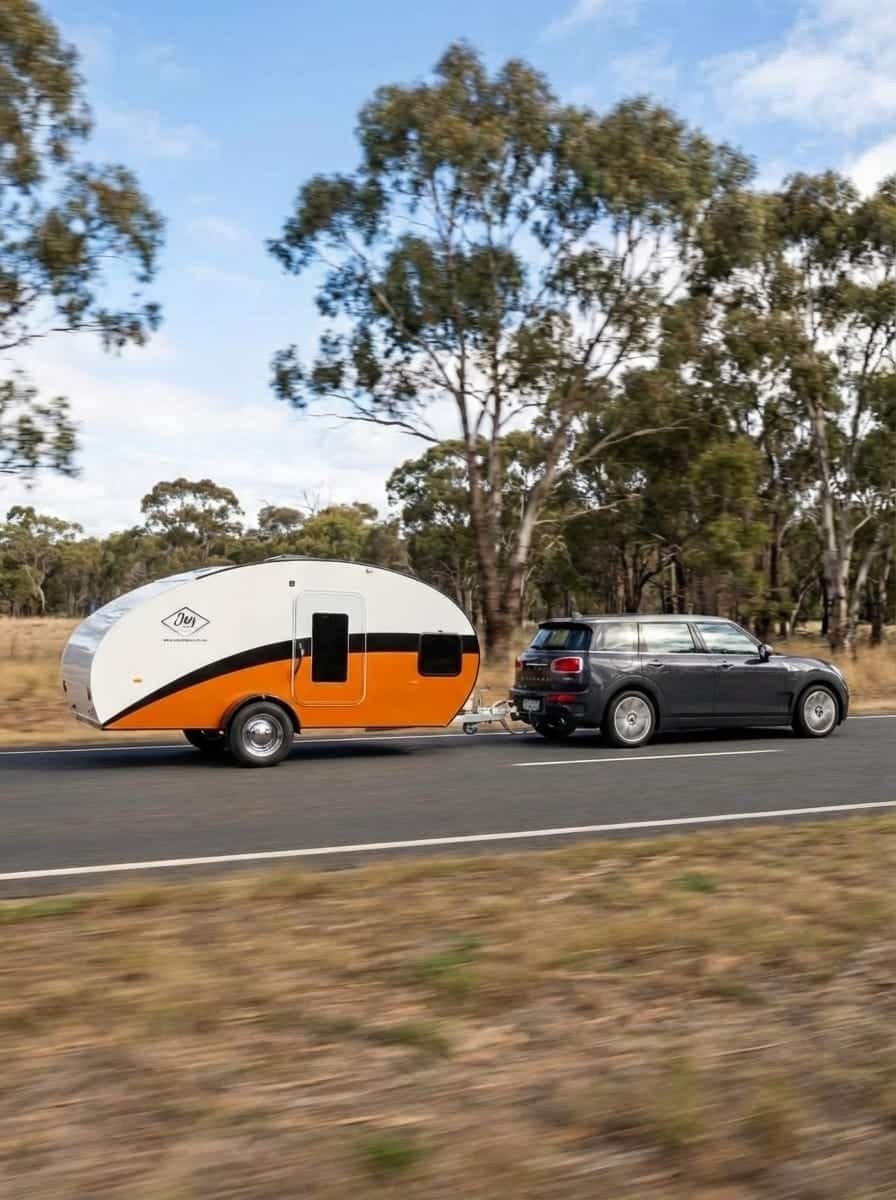
Weight is one of the biggest challenges in camper design.
Every extra kilogram affects towing, fuel use, braking, payload and what vehicle you can realistically tow with. Many camper manufacturers add features first, then deal with the weight later.
At JAG Camper, we design around lightweight construction from the beginning.
Our 30mm FRP/XPS/FRP composite panels allow us to build a strong camper body while keeping unnecessary weight out of the structure. That is a key reason we can make our campers feel spacious and well-equipped without making them heavy or difficult to tow.
Why lightweight panels mean more features for you
Lightweight construction is not only about towing. It directly affects what we can include in the camper.
Because the body structure is so efficient, we can put more of the available weight into things customers actually notice and use, such as:
- Larger, more comfortable interiors
- Practical storage
- Better kitchen setups
- Quality appliances
- Electrical systems
- Water storage
- Off-grid features
- Strong chassis design
- Everyday usability
In other words, the lightweight composite body gives us more freedom to design a camper that feels spacious, capable and feature-packed while still remaining easy to tow.
Precision CNC manufacturing for a cleaner, more accurate build
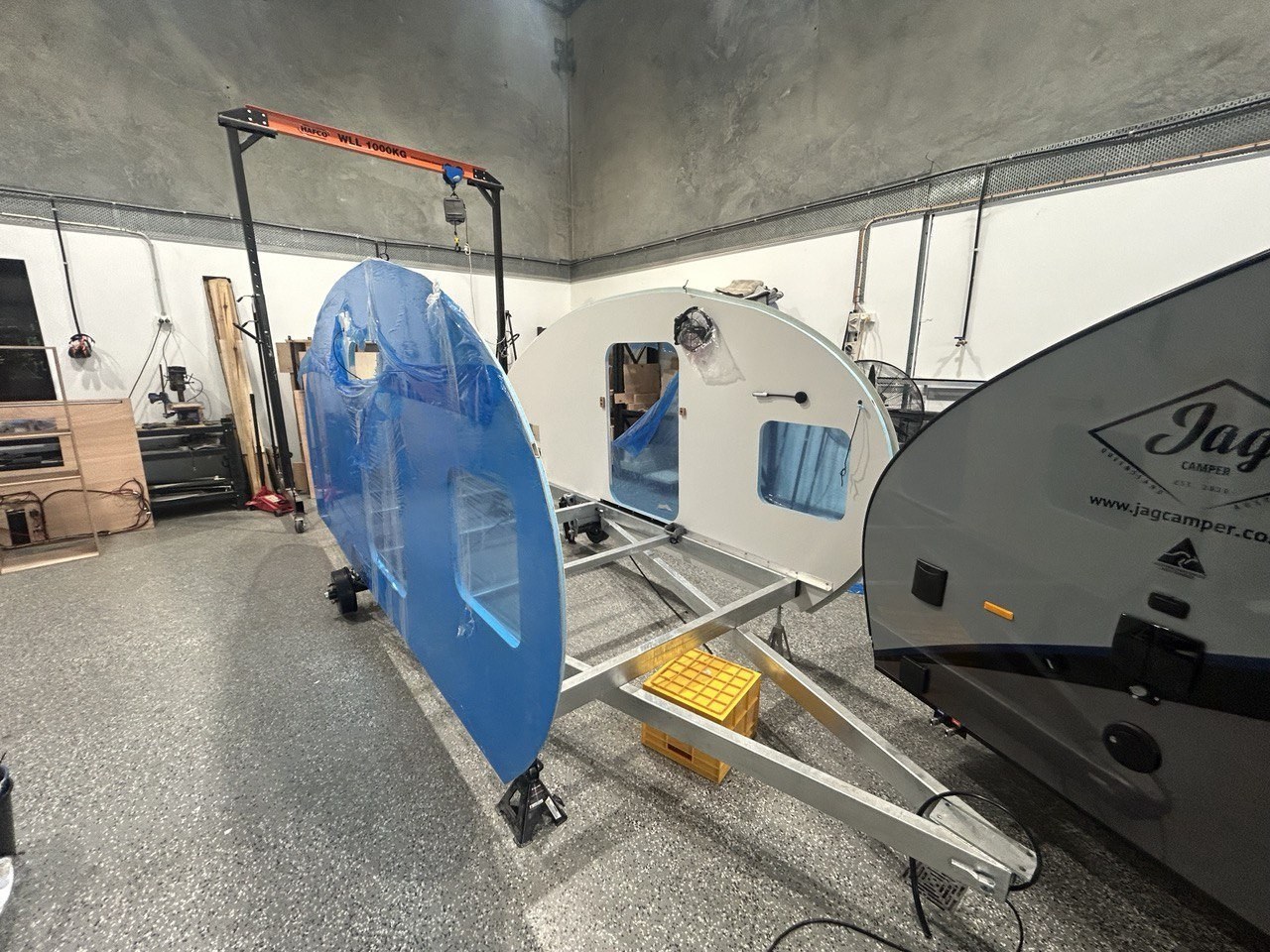
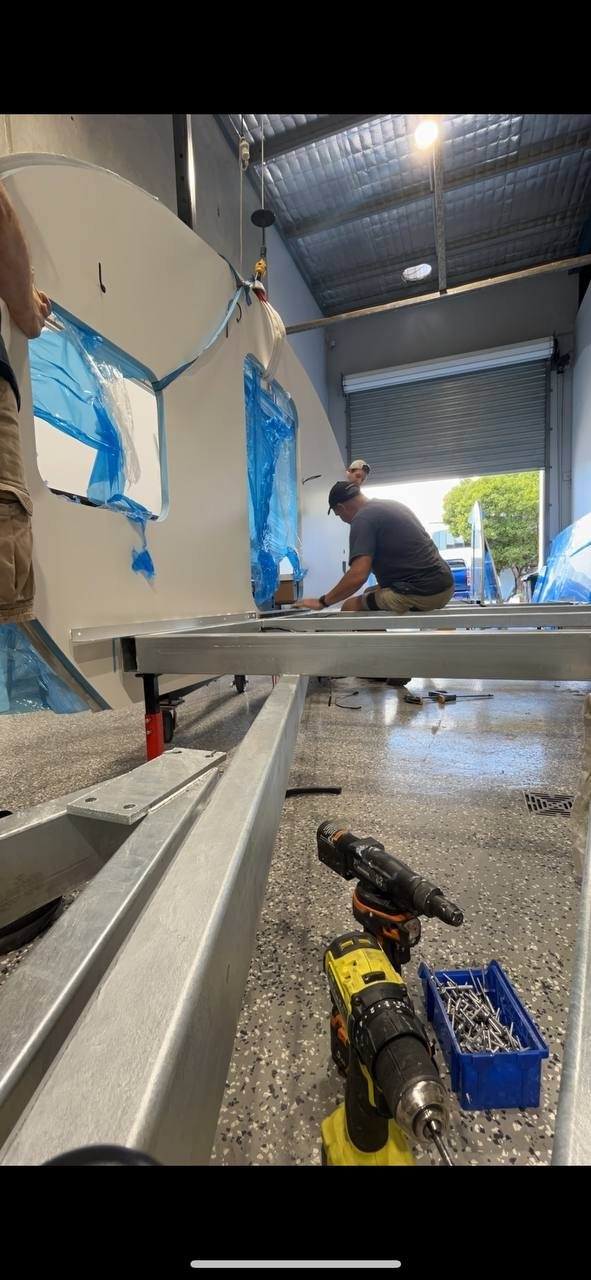
The panels are not just selected for their material benefits. They also suit our advanced manufacturing process.
At JAG Camper, we use precision CNC machining to cut and shape our composite panels accurately. This helps us achieve consistent fitment, cleaner joins and repeatable quality across the camper range.
CNC manufacturing also allows us to design the camper body with a high level of accuracy before the parts are assembled. Every cut-out, curve and panel edge can be produced to suit the design, rather than relying on rough manual cutting or old-school construction methods.
That level of precision is part of what makes the JAG Camper range different.
Composite panels vs plywood camper construction
Traditional plywood construction can work, but it comes with compromises.
Plywood is heavier than modern foam composite materials, can absorb moisture if exposed, and may deteriorate if water gets into the structure. It also usually needs extra insulation if the camper is going to perform well in hot or cold weather.
By comparison, our insulated XPS composite panels provide structure, insulation and moisture resistance in one efficient panel system.
For buyers, that means a camper that is lighter, better insulated and less vulnerable to the common long-term issues associated with timber body construction.
Composite panels vs metal frame camper construction
Metal framing is often used because it is strong, but strength is only one part of the equation.
Metal can add weight, transfer heat and cold, and may corrode if exposed to moisture over time. It also often requires separate wall linings, insulation and cladding to complete the body structure.
Our FRP/XPS/FRP composite panels take a more integrated approach. The panel itself provides strength, insulation and a durable exterior/interior skin, helping reduce complexity and unnecessary weight.
That is especially important in compact campers, where every kilogram and every millimetre matters.
Why this matters across the JAG Camper range
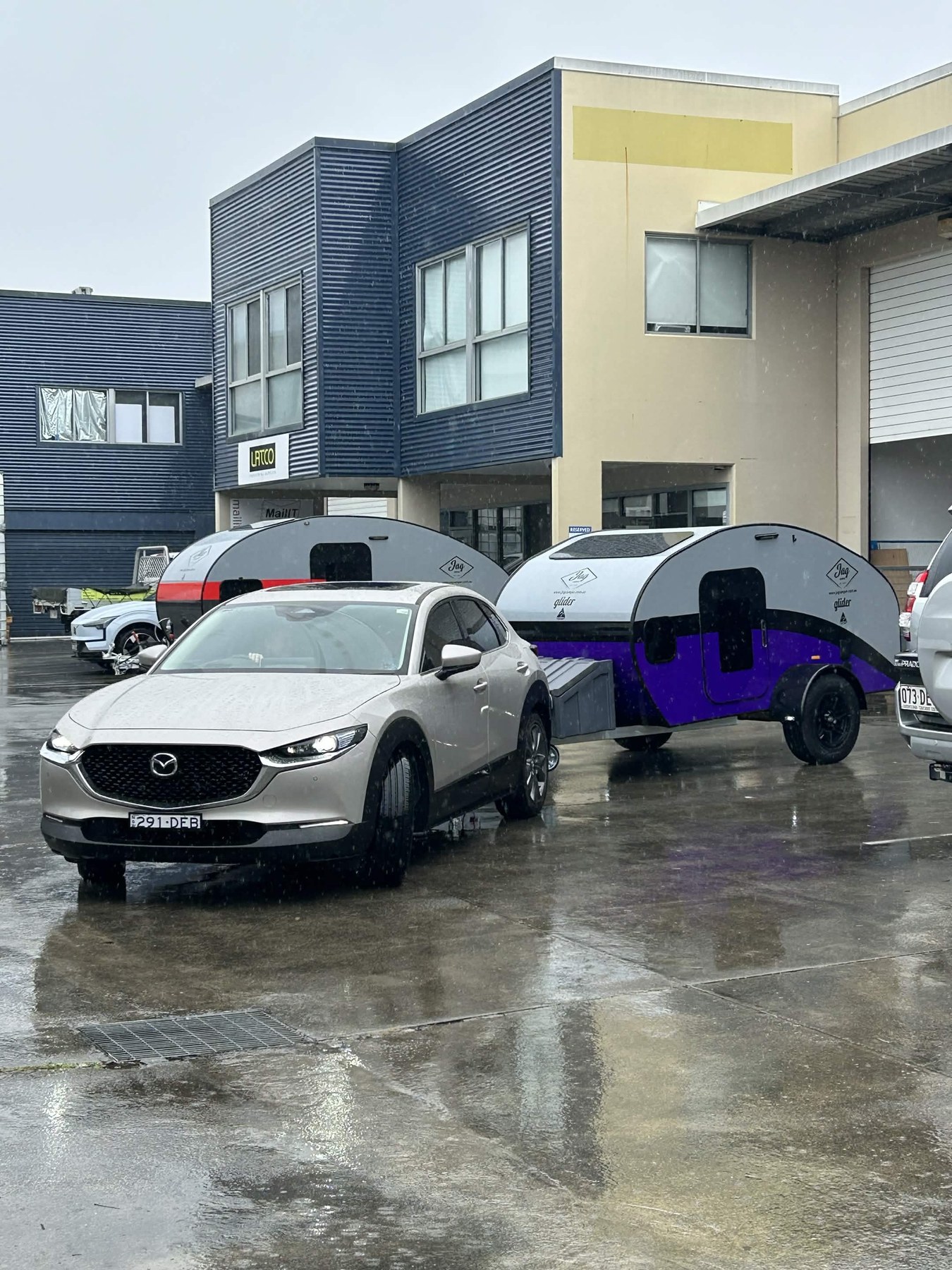
Whether you are looking at the JAG Teardrop or the JAG Glider, the construction method matters.
The insulated XPS composite panel system helps us build campers that are:
- Light enough to tow comfortably
- Strong enough for long-term use
- Better insulated for real camping conditions
- More resistant to water-related damage
- Spacious for their size
- Able to carry more useful features without becoming unnecessarily heavy
It is not just a material choice. It is part of the whole JAG Camper design philosophy.
A smarter way to build modern campers
We use XPS composite panels because they solve multiple camper design problems at once.
They help with insulation. They reduce weight. They resist rot and corrosion. They support precision manufacturing. And they allow us to build campers that feel bigger, more comfortable and more capable than their weight suggests.
For buyers comparing JAG Camper against traditional plywood or metal-frame designs, this is one of the key differences worth understanding.
The outside shape might catch your eye first, but the construction underneath is what makes the camper work so well.
Want to see the difference in person? Explore the JAG Teardrop and JAG Glider range, or contact JAG Camper to visit our Brisbane workshop and see how our insulated composite panel campers are built.
Frequently asked questions
What are JAG Camper’s composite panels made from?
JAG Camper uses 30mm FRP/XPS/FRP insulated composite panels. This means a closed-cell XPS foam core is sandwiched between fibreglass reinforced plastic skins.
Are XPS composite panels waterproof?
The XPS foam core is closed-cell, meaning water cannot penetrate through the foam like it can with absorbent materials. The full camper body still relies on proper sealing and assembly, but the panel core itself is highly resistant to water absorption.
Do XPS composite panels rot?
No. Unlike timber and plywood, the XPS foam core and FRP skins do not rot.
Can XPS composite panels corrode?
No. The composite panel structure does not corrode like metal framing can.
Why does JAG Camper use composite panels instead of plywood?
Composite panels are lighter, better insulated and more resistant to moisture-related damage than traditional plywood construction. They also allow JAG Camper to build spacious, feature-rich campers while keeping overall weight low.
Are composite panel campers better insulated?
Yes, XPS composite panels provide strong thermal insulation compared with many traditional timber or metal-frame camper construction methods, especially when insulation would otherwise need to be added separately.

