
Advanced
australian manufacturing
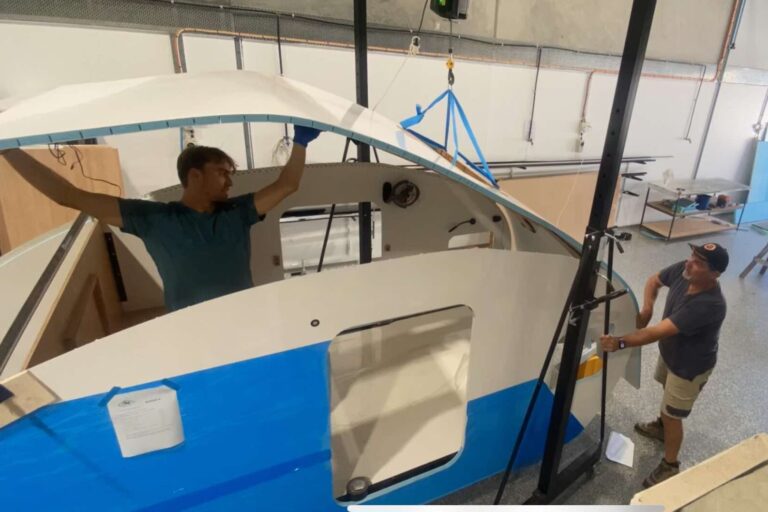
JAG campers are not built from generic imported shells or off-the-shelf trailer bodies. Every camper starts with a controlled manufacturing process built around precision design, durable materials and Australian conditions. The goal is simple: build a lightweight camper that feels refined, tows well and lasts for years.

Precision 3D CAD Design
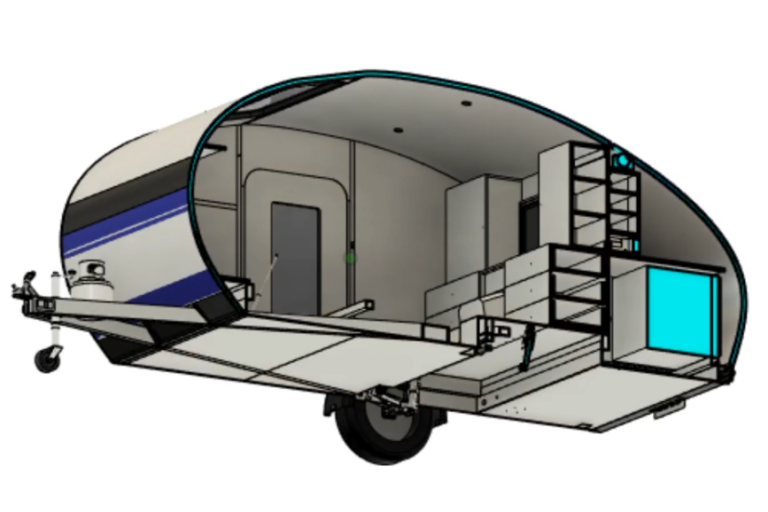
Every JAG camper begins as a detailed 3D CAD model before anything is cut, welded or assembled. The chassis, cabin, kitchen, cabinetry, storage, wiring paths, hardware locations and fit-out are planned digitally first. This lets us check clearances, weight, fitment, balance and layout before manufacturing begins. That means the camper is not being worked out on the factory floor as it goes together. Each part has a purpose, a location and a relationship to the rest of the build.
Overengineered Hot Dip Galvanised Steel Chassis
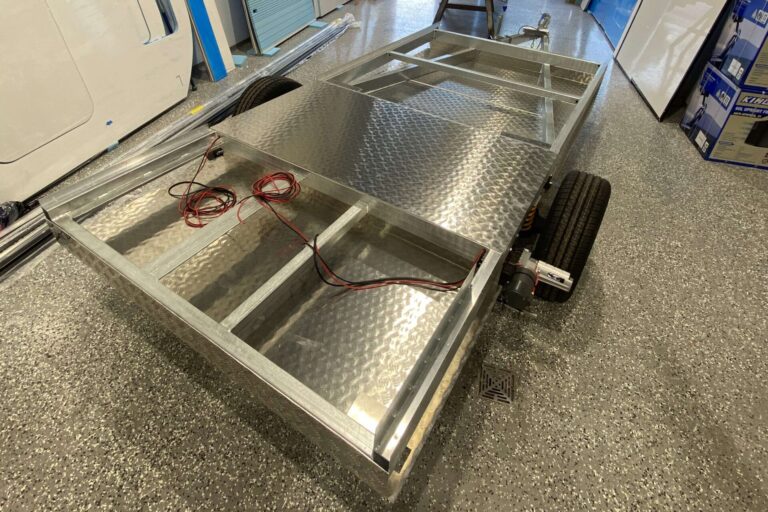
A camper is only as good as the foundation it is built on. Our view is simple: if you want a camper to last, you start with a serious chassis.
That is why the JAG Teardrop Camper uses an overengineered hot dip galvanised steel chassis, built from 100 x 50 x 3mm steel hollow section.
It is stronger than it needs to be for normal road use, but that is the point. Australian touring can mean corrugations, potholes, steep driveways, dirt roads, wet conditions and years of outdoor exposure.
Hot dip galvanising gives the steel a protective zinc coating, helping resist rust far better than paint alone. This is especially valuable for campers exposed to coastal air, wet roads, mud, stone chips and long-term storage.
We would rather build the foundation properly from the start than chase weight savings in the one part of the camper that holds everything together.
CNC-Machined Composite Sandwich Panel Cabin
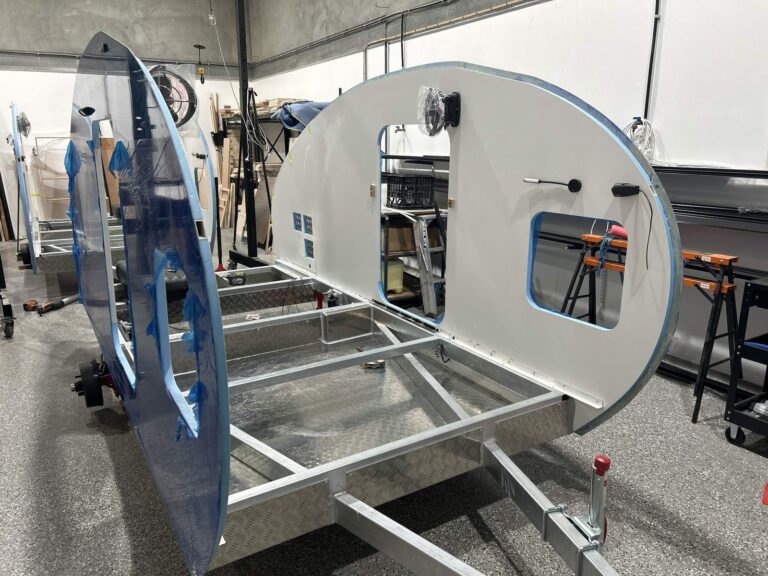
The cabin is built from CNC-machined composite sandwich panels.
These panels are lightweight, rigid and highly resistant to rot, which makes them a major improvement over old-style timber-framed caravan wall construction. They do not rely on hidden timber framing inside the walls, so there is far less risk of swelling, water damage or structural rot over time.
They also provide real insulation benefits. The panel core helps resist heat transfer, making the cabin more comfortable in the heat of Queensland summers and the cold of Victorian winters.
That matters in Australia. A camper body should not just look good in the showroom. It should help keep the interior usable when it is parked in the sun, sitting at a cold campsite, or being used through changing weather conditions.
Because the panels are CNC machined, the fit is clean and accurate. Openings, joins and body components are cut consistently, which helps with sealing, strength and finish quality.
Laser-Cut and Folded Sheet Metal
Sheet metal components are laser cut and folded for accuracy, strength and repeatability.
Laser cutting gives clean edges and consistent dimensions. Folding creates strong, neat bends without relying on rough hand fabrication. This helps with panel fit, sealing, mounting points and the overall finish of the camper.
The result is a more controlled build. Parts line up properly, fasteners land where they should, and the finished camper feels engineered rather than improvised.
CNC-Machined Marine-Grade Plywood Cabinetry
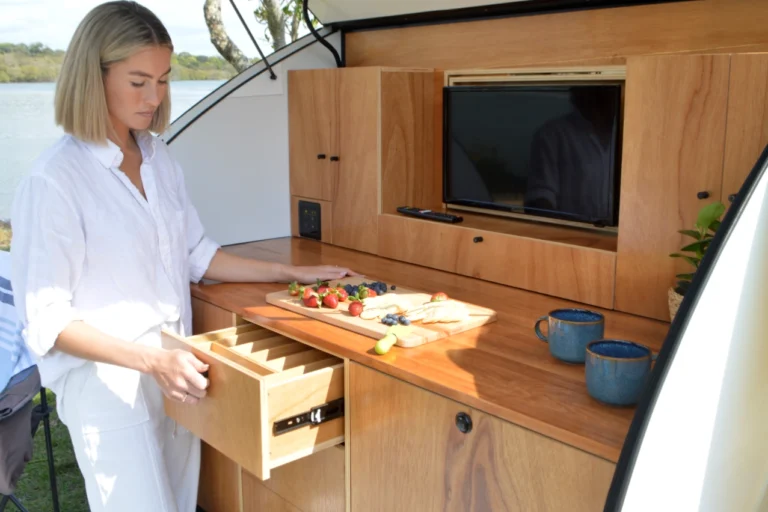
Inside the camper, JAG uses CNC-machined marine-grade plywood for the cabinetry.
Marine-grade plywood gives the interior and kitchen a genuine natural timber feel. It brings warmth, texture and character into the cabin and galley, rather than the sterile synthetic feel that cheaper plastic or laminate-heavy materials can create.
Because it is real plywood, every JAG camper has its own natural timber character. The grain, tone and subtle variation in the plywood mean no two interiors or kitchen spaces are exactly the same.
It also performs well in a camper environment. Marine-grade plywood is strong, stable and more moisture-resistant than standard interior ply or particle board. That matters when the camper is exposed to humidity, wet gear, temperature changes and constant vibration on the road.
The plywood receives a UV-proof coating to further improve sun resistance and water resistance. This helps protect the cabinetry from fading, moisture exposure and everyday camping use, while still keeping the natural look of real timber.
CNC machining means every cabinet component is cut accurately and repeatably. Drawers, shelves, kitchen parts and storage areas fit properly, helping reduce gaps, rattles and weak points.
Built for Long-Term Ownership
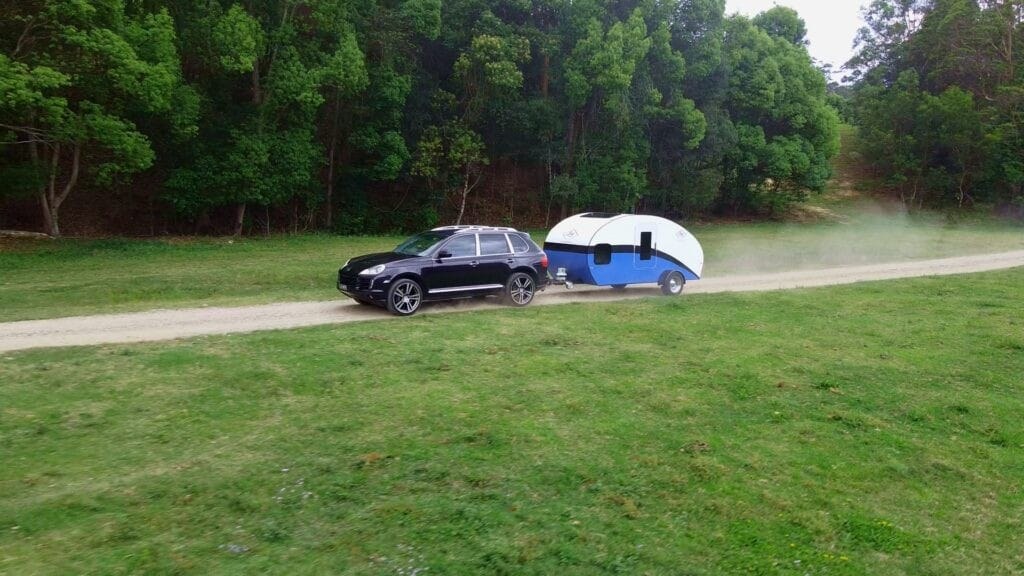
The whole manufacturing approach is about durability, not just showroom appearance.
JAG campers are built to resist the common problems that affect cheaper campers over time: rust-prone chassis components, water-damaged timber framing, swollen cabinetry, poor panel fitment, weak hardware and difficult repairs.
Australian manufacturing also means better control over the build. We know how the camper is designed, how it is assembled and how to support it after sale.
That is the real value of building properly. It costs more upfront, but the camper is designed to last, be supported and handle Australian conditions with confidence.